Farmkeepers Blog
The Farmkeepers is the official blog of NC Farm Families. It is here that words will flow, our voice will be heard, a stand will be made, and the farm families of North Carolina will be protected. In these posts, we'll set the record straight. You'll see the faces of the families who feed us. Here, you'll receive all the updates and news. It is here that we will fight for farmers and be the keepers of the farm in NC. We hope you'll join us. Follow along on social media and by joining our email list.
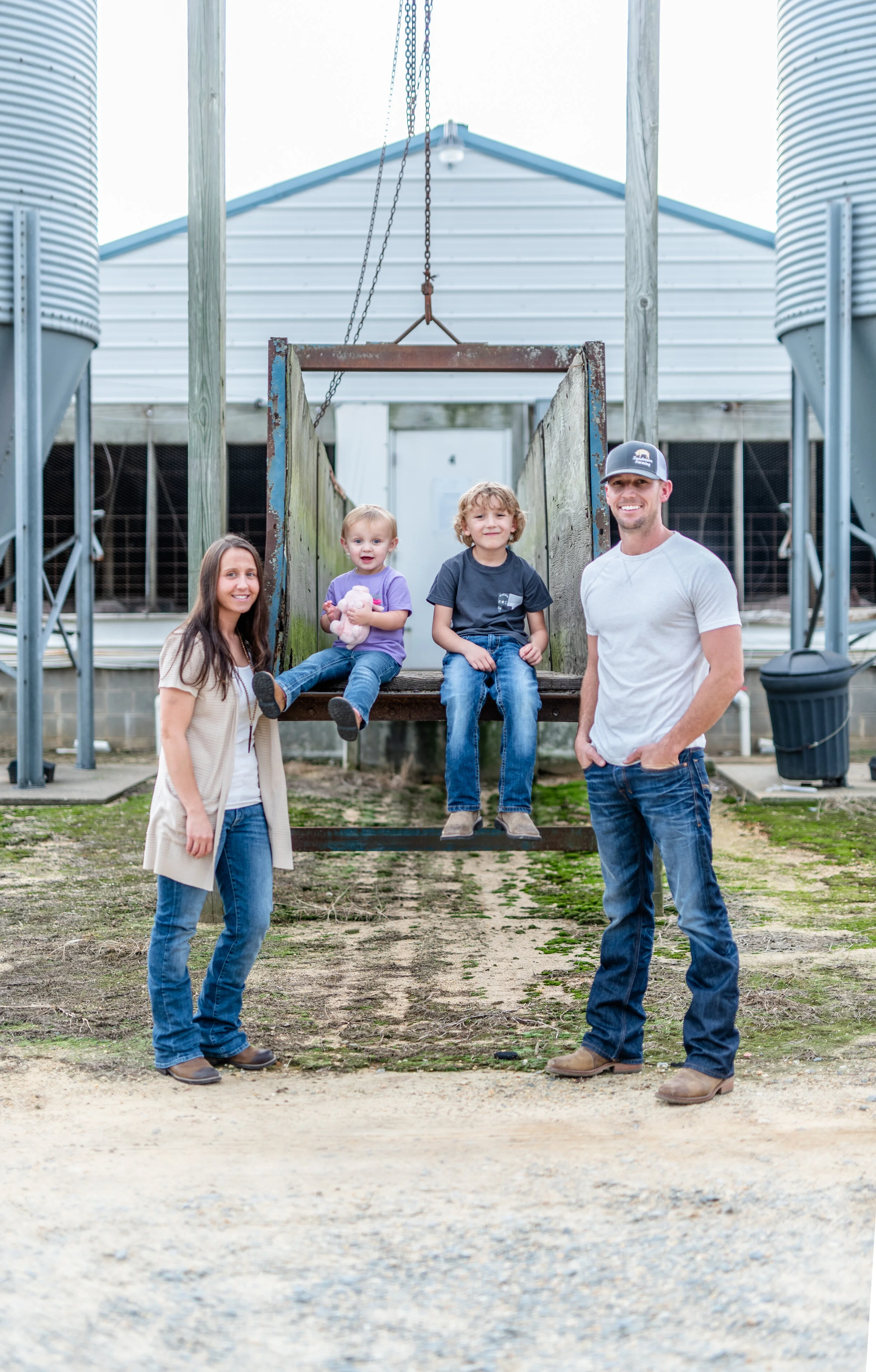
Heart of the Matter: What is a Family Farm?
Recently, there have been discussions about what a family farm is. The answer seems simple: a farm run by a family. However, because farms don’t always look like they did 50 years ago, there has been some debate and confusion over what a family farm truly is.
We thought it important to address this topic. After all, our name is NC Farm Families. Shouldn’t we be able to provide clarity on who we represent? So here goes:
A family farm is one that has a family behind it.
It doesn’t matter how large the farm is.
It doesn’t matter if the farm is multi-generational or new.
It doesn’t matter if the family extends to farm employees.
It doesn’t matter if the family chose to contract with an integrator or are independently operated.
It doesn’t matter if there isn’t a red barn.
It doesn’t matter how many or what size the tractor is.
It doesn’t matter.
We do not constrain the term family farm to a certain size or type or the color of their barn. None of that matters.
What matters is that at the heart of family farms is a passion for the vocation, a love for family, and the fortitude to do hard work.
So, when we say that 96% of farms in the USA are family owned and operated, this is what we mean. They’re men and women raising families and feeding the world. They come in all shapes and sizes. Whether they have 10 acres or 1,000 or raise pigs indoors or on the ground, these things don’t define a family farm, their heart does.
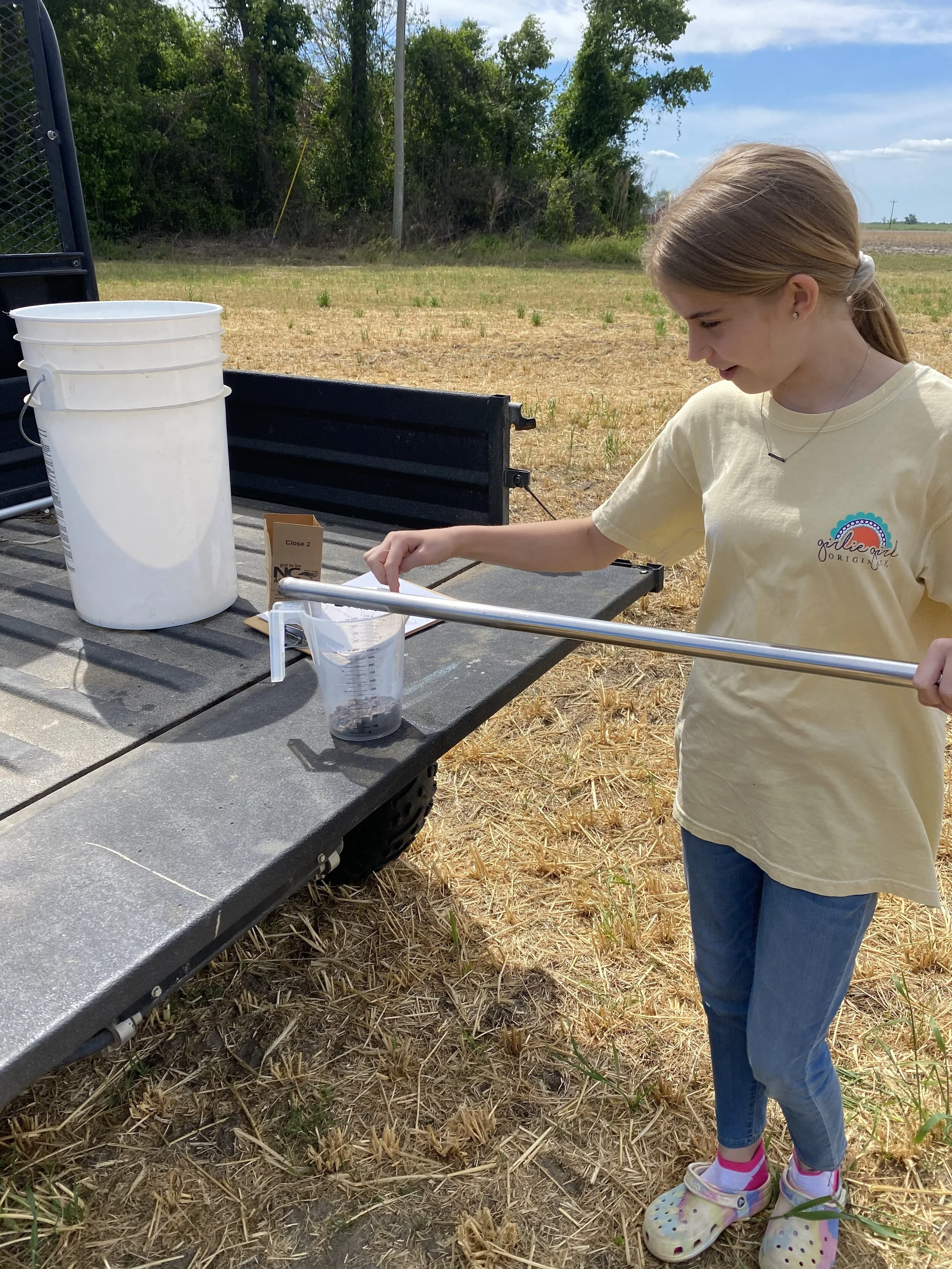
Farmers use soil sampling to care for their land
Farmers rely heavily on the health of their soil, not just for a successful crop, but for the sustainability of their farm. Protecting the soil is an important part of being a good farmer.
Testing soil: One way to ensure that soil is healthy is to take soil samples.
Taking soil samples: Farmers use a soil probe into the ground 4-8 inches to retrieve a core of soil. The sample is then put into a plastic bucket (metal or galvanized buckets may result in incorrect sample results). 12-15 cores of soil will need to be taken across the area being tested to get the most complete understanding of the soil. Once all the samples have been taken and mixed in a bucket, they will be packaged into special boxes to be sent to the N.C. Department of Agriculture and Consumer Services.
How often is soil sampled?: North Carolina hog farmers are required, by law, to take soil samples every three years, but many farmers take them annually.
What is being tested?: For hog farms, the main thing being tested is phosphorous levels and heavy metals like zinc and copper. The test also tells farmers the PH and nutrients of the soil. All this lets farmers know what the soil needs to grow crops (e.g. lime, fertilizer, etc.). Farmers only put enough nutrients on the field as can be absorbed to prevent run-off, reduce costs, and grow the best quality crops possible.
Soil is a farmer’s most precious asset, and they are deeply connected to it. Soil sampling is just one practice that farmers employ to protect the health of the land they care for.
Kids Target of Anti-Hog Farm Messages
The billboards may be gone, and the lawsuits settled, but the fight for North Carolina pig farmers and our farming communities continues. Attacks continue, and now they are targeting your children.
It’s in college lectures, high school & elementary classrooms, and now even on major programming like Nickelodeon. As a part of an Earth Day segment, Nickelodeon highlighted the “environmental racism” and “pollution” that North Carolina hog farmers are inflicting. The network’s programming is primarily aimed at children 2-17, while some of its programs target the entire family.
When it came to their segment on the atrocities of NC pig farms, we weren’t surprised to see names like Rick Dove, Waterkeepers Alliance, and Cape Fear River Watch in the credits.
We say all this to bring awareness. Anti-agriculture activists are going beyond billboards, legislators, and lawsuits. They are targeting your kids.
As Parents, teachers and community members, we need to stay vigilant of the facts or “lack of facts” that are being fed to our children about agriculture.
The farm should not be portrayed as a place of pollution and mean-spirited, careless farmers. It should be highlighted as a place of innovation, career opportunities, and fellow families. Those who get to grow up on the farm, know just how many important lessons the farm can provide. That’s the message that should be shared to all kids—farms are good and important. They aren’t inherently bad.
We are not just fighting misconceptions of where food comes from and what a farmer looks like. We are fighting against misconceptions about the very character and value of farms and farmers.
The youth of today hold the future of tomorrow. What will tomorrow look like for our farmers and our communities? Will the future be a generation who has been taught that farmers are a danger to our health and environment, or will it be a generation who stands up and preserves farms?
We’ve seen what happens when there is a disconnect between farmers and the public. Activists want to make that disconnect even greater by targeting the next generation of leaders and consumers.
Stay vigilant, friends. The billboards may have faded, but the attacks haven’t. They’ve just switched gears. Keep sharing the true story of farmers, especially to our young people.
Reliable Sources for Youth & Parents/Teachers:
Visiting a Pig Farm with Chad Herring: https://youtu.be/LSF9hE6S3Zc
NC Farm Bureau Ag in the Classroom: https://www.ncfb.org/ag-in-the-classroom/
USDA Agriculture Library: https://www.nal.usda.gov/topics/educational-resources-children-parents-and-teachers
National Ag Day: https://www.agday.org/helpful-websites