

Farmkeepers Blog
The Farmkeepers is the official blog of NC Farm Families. It is here that words will flow, our voice will be heard, a stand will be made, and the farm families of North Carolina will be protected. In these posts, we'll set the record straight. You'll see the faces of the families who feed us. Here, you'll receive all the updates and news. It is here that we will fight for farmers and be the keepers of the farm in NC. We hope you'll join us. Follow along on social media and by joining our email list.
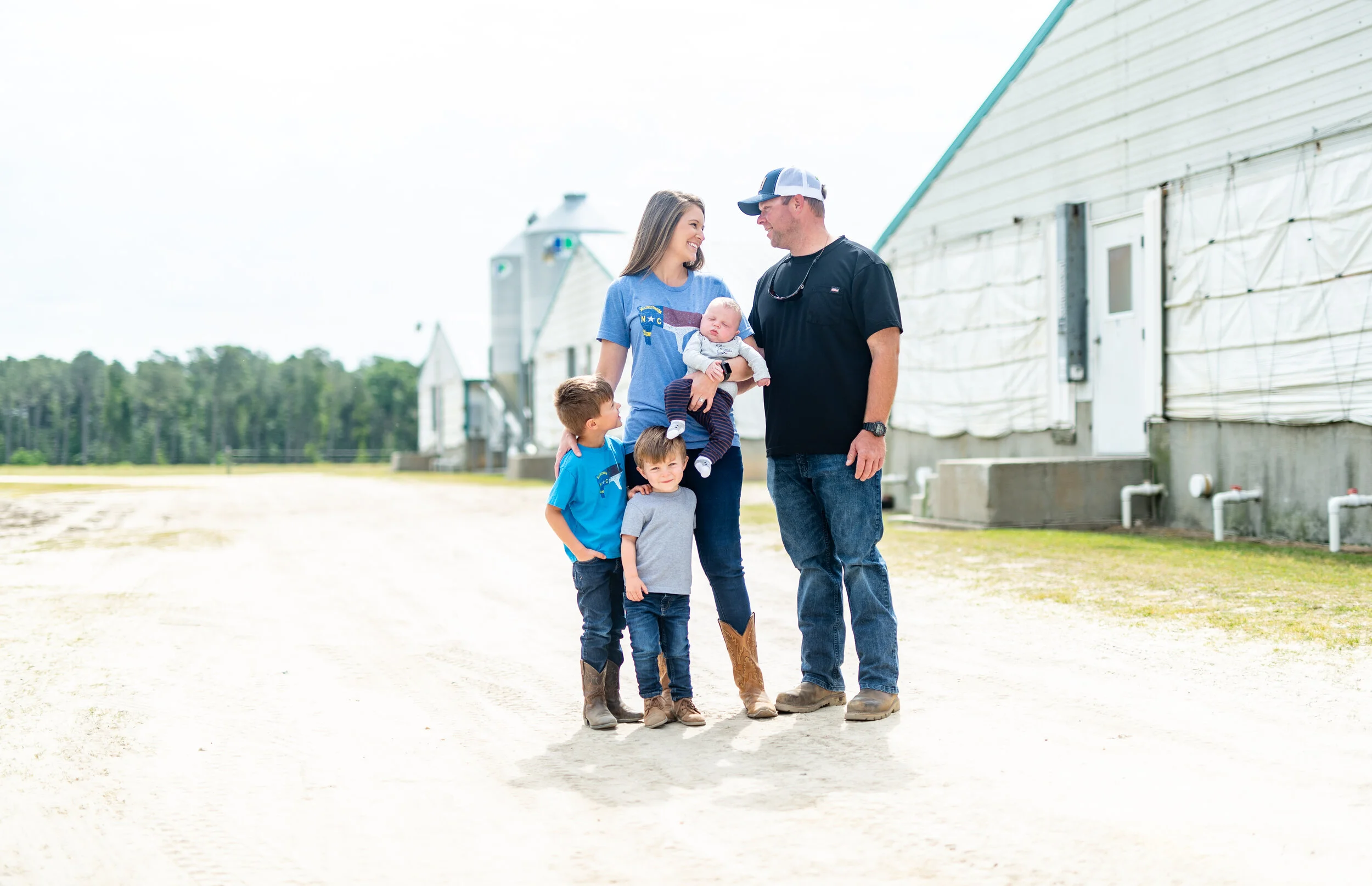
The Bass Family: Raising 3 Sons on the Farm

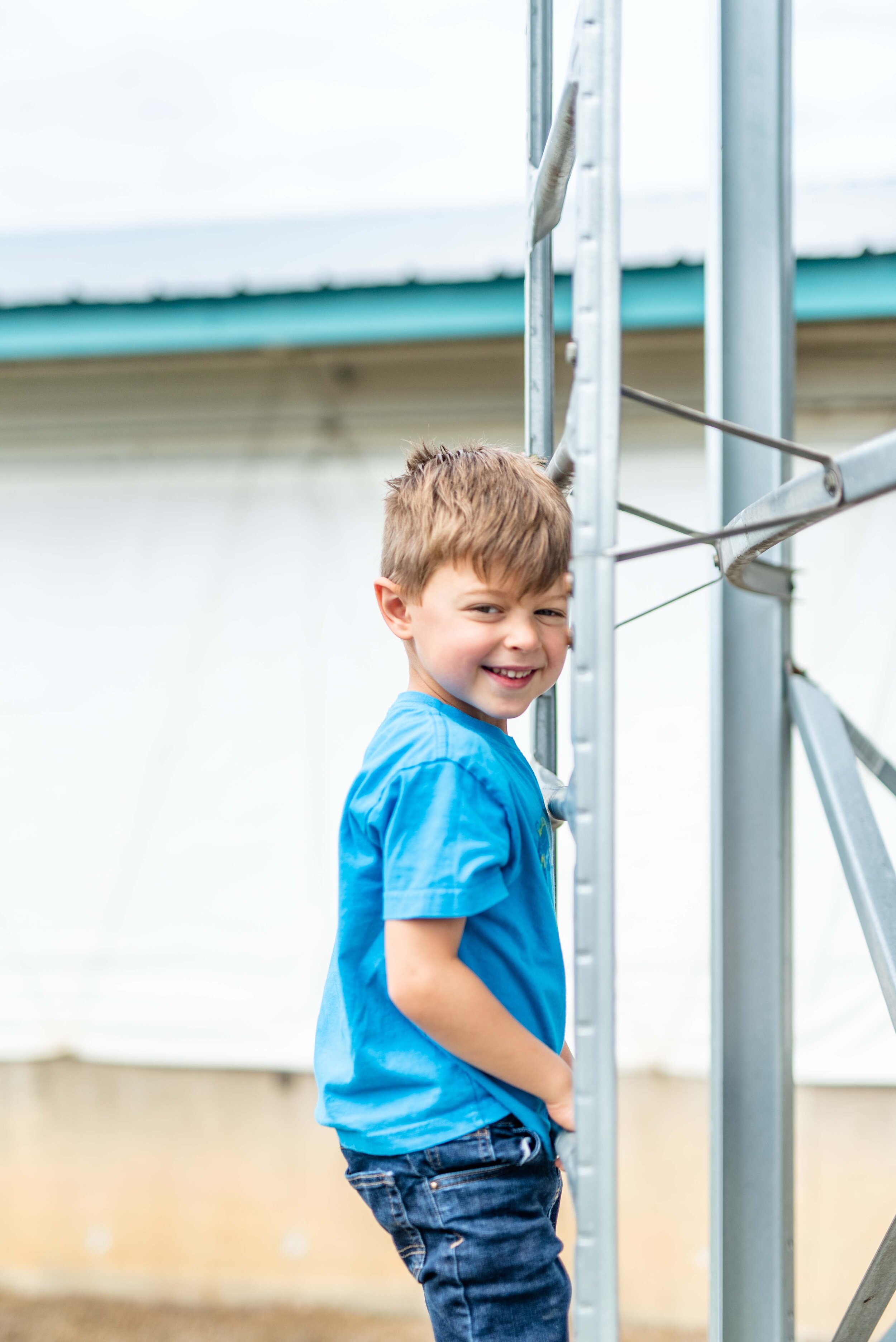
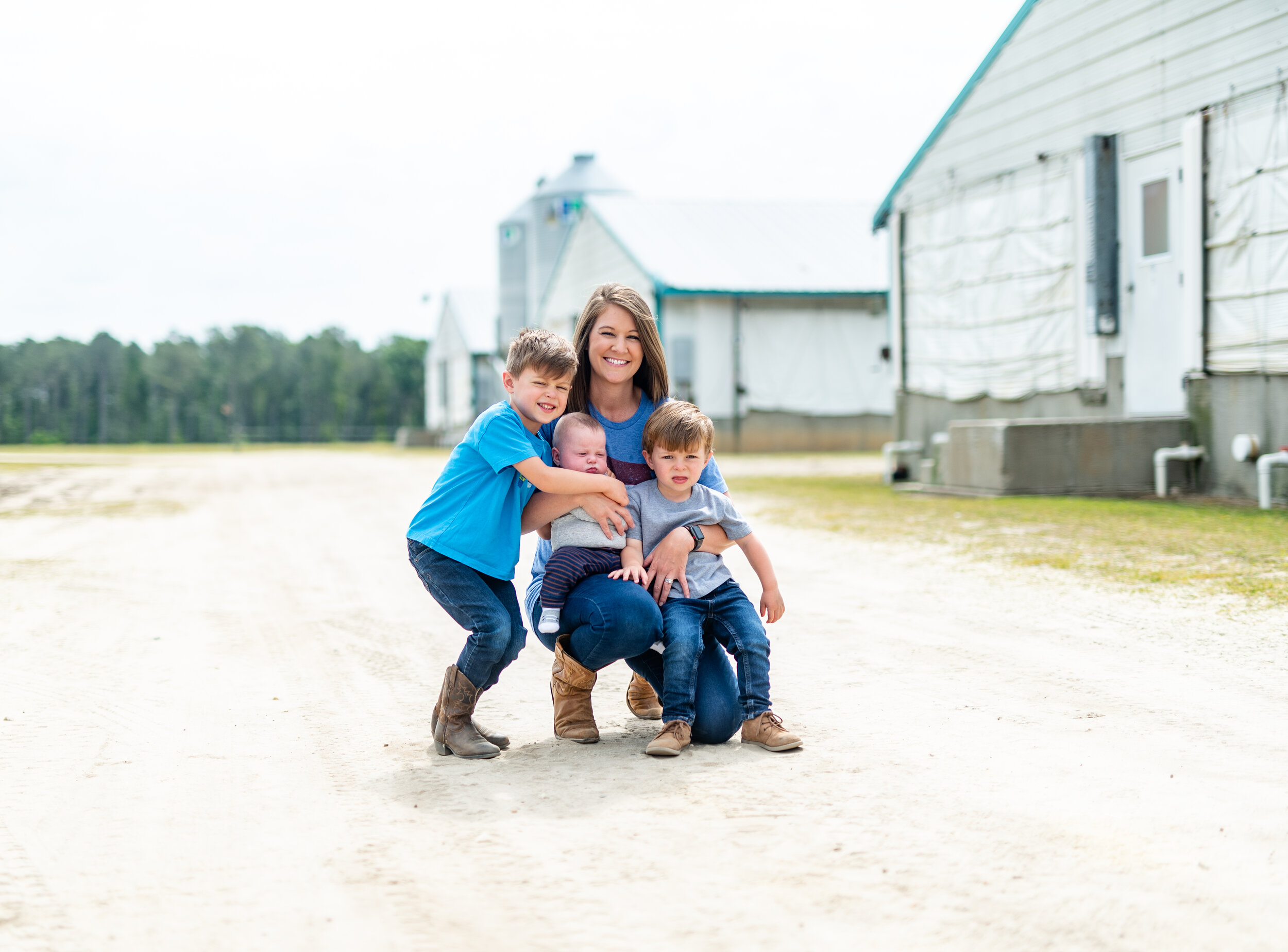
Knox and Crawford Bass race down the dirt path that runs in front of their family’s hog houses. Crawford, who is currently 5, outruns his younger brother who is almost 3. Not winning any races any time soon is baby brother Zane who is only a few months old.

The Bass boys are right at home on the hog farm—racing, playing in the dirt, checking on the pigs, climbing feed bins. For them, this is what they’ve grown up with and know. This is their element. What they don’t realize, however, are the lessons they’re learning on the farm. Their parents, though, are hopeful that between the dirt path races, tractor rides, and farm play, something bigger is happening in their sons’ lives.


Tyler and Janna Bass met in college at NCSU. Tyler majored in agronomy, while Janna studied business and marketing. Tyler had a clear plan of his future—farming. Janna’s future didn’t have farming in it; that is until she met Tyler.
“When I met Tyler, he said ‘I’m a farmer,” and I remember thinking that I really didn’t know much about that lifestyle and I had no idea what it took to run a farm and the business aspect behind the operation,” Janna recalled.
Janna grew up right outside of Raleigh in an urban area, and the move to the farm in Sampson County was an adjustment. Even after being married for 10 years, there are times where it is still an adjustment. That’s not to say that she doesn’t like the farm life. She has embraced the farm and the farming community. She actually works with farmers now as the Marketing and Financial Service Manager with Cape Fear Farm Credit, an agricultural lender.
“We assist farmers of all shapes and sizes, new farmers or farmers who have been farming for generations, and we help them obtain the financing they need to start, continue or grow their operation and to ensure its success for the future,” said Janna.
Janna loves her job and working with the agricultural community. She also loves watching the passion her husband has for his job and feeding the world.
The Bass farm was started by Tyler’s grandad, and later taken over by his dad and uncle. After college, Tyler knew exactly what he wanted to do—come back to the farm. He had always wanted to be a farmer, after all.
“I’ve always wanted to farm ever since I was a little boy. I can remember playing in dirt paths with my trucks and tractors,” Tyler said.
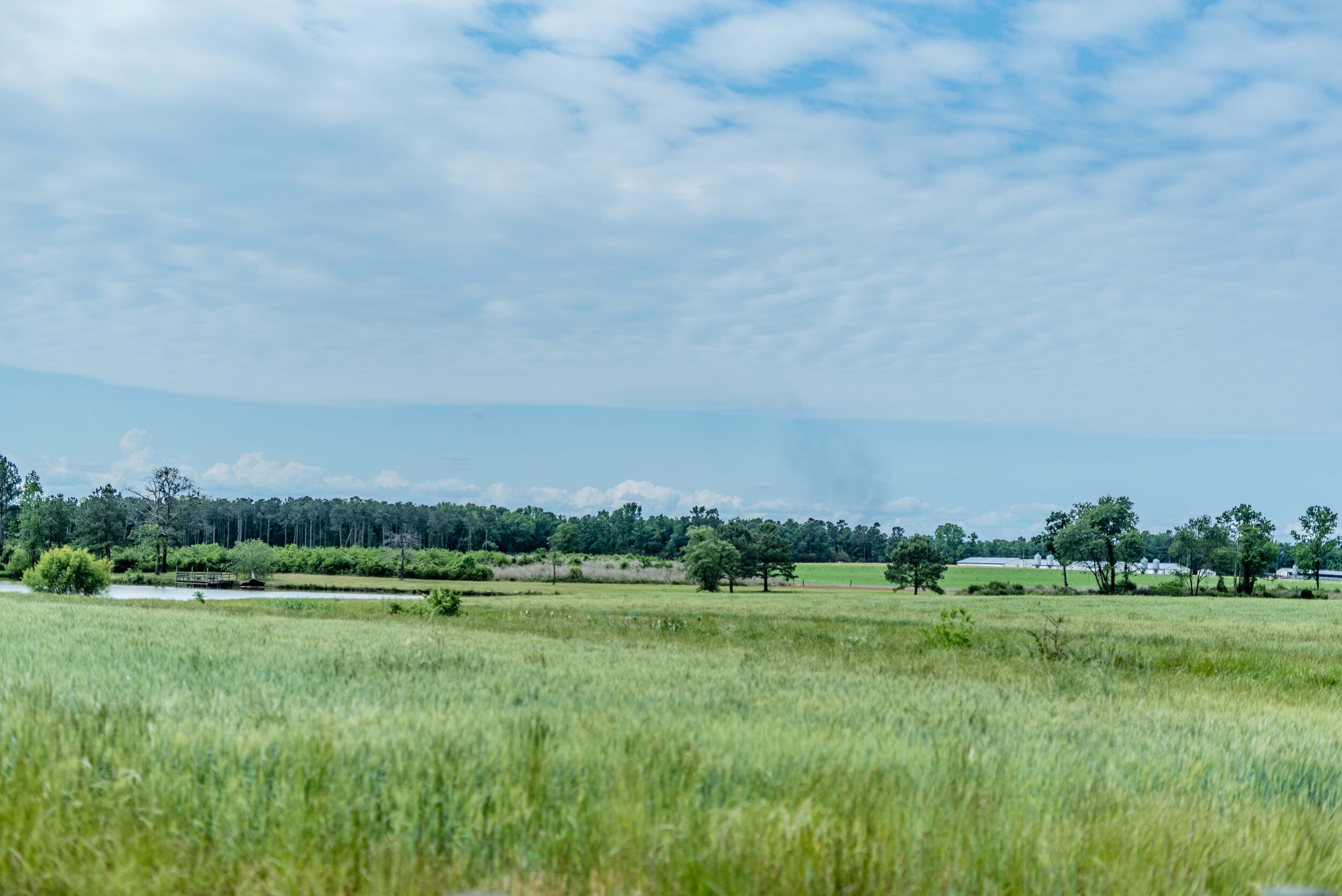
After college, Tyler started to build chicken houses and bought hog houses since then as well. The Bass farm currently grows and raises crops, produce, chickens, cattle, and hogs. Tyler’s favorite part about being a farmer is being outside, watching things grow, and knowing he is helping feed others.
His least favorite part about farming is also Janna’s least favorite aspect—the time it can take away from family. Farming is 24/7, especially when livestock is involved, and the sun-up to sun-down hours can be hard.
“Many a night during planting or harvesting season we are sitting around the table, and he’s not able to be there, or I tuck the children in bed and he’s not home yet because he’s still in the field,” shared Janna.
Janna and Tyler aren’t trying to downplay the good in farming. They are simply acknowledging the hardship that is their reality. And yet, in that hardship and challenge, is a lesson for their sons.
With the long hours and hard work, their sons get a front row seat to lessons on a good work ethic. While it may seem that they are simply playing, young children tend to notice more than we realize.
“I hope they observe the work ethic behind what goes into a farm, the dedication, and just the humility that comes along with it,” Janna said. “Farmers are humble and honest, but they really put serving others in front of themselves. I hope my boys see that and apply that to every aspect of their lives.”

Whether or not Crawford, Knox, and Zane choose to become farmers, they are learning values that transcend the farm. Humility, hard work, dedication, and service are all traits that any parent hopes their child will learn.
And if the Bass brothers want to become the fourth generation to farm, well, the farmers that came before them have and are putting in the work, sun-up to sundown, to make sure that the farm is able to welcome the next generation on to it’s lands.
“If my boys choose to farm, I hope ag will still be able to sustain them and their families in the future. I hope I can continue to build on the farming foundation my dad and granddad set for me, to pass on to my boys – if that God’s plan for them,” said Tyler of what he hopes for his sons.
The farm is filled with lessons, and for those who are lucky enough to grow up on the farm, they may not even realize that they are learning at the time. It is doubtful that Knox, Crawford and soon Zane Bass realize that as they check on pigs or ride the tractor with their dad that they are learning life lessons.
While family farms are about providing food, fuel, and fiber for the world, they are also all about raising the next generation. Tyler and Janna Bass are striving to do their part, to raise Godly, kind, humble, hardworking boys on the farm.
And perhaps in 20 years, the Bass brothers will remember a time where they raced down a farm path and climbed feed bins, smile and realize that they learned so much on the farm.


NC Farm Act contains no loopholes for industry expansion.
In politics, people often attempt to “twist the facts” in hopes of persuading others to support their views. Other times, they just flat out tell mistruths.
That’s exactly what we saw in a recent WRAL opinion column about the NC Farm Act, which was signed into law this week. The article, written by a Duke law professor who is a frequent critic of North Carolina’s pork industry, falsely claimed that the legislation would allow pig farms “to expand for the first time since 1997.”
That’s simply not true.
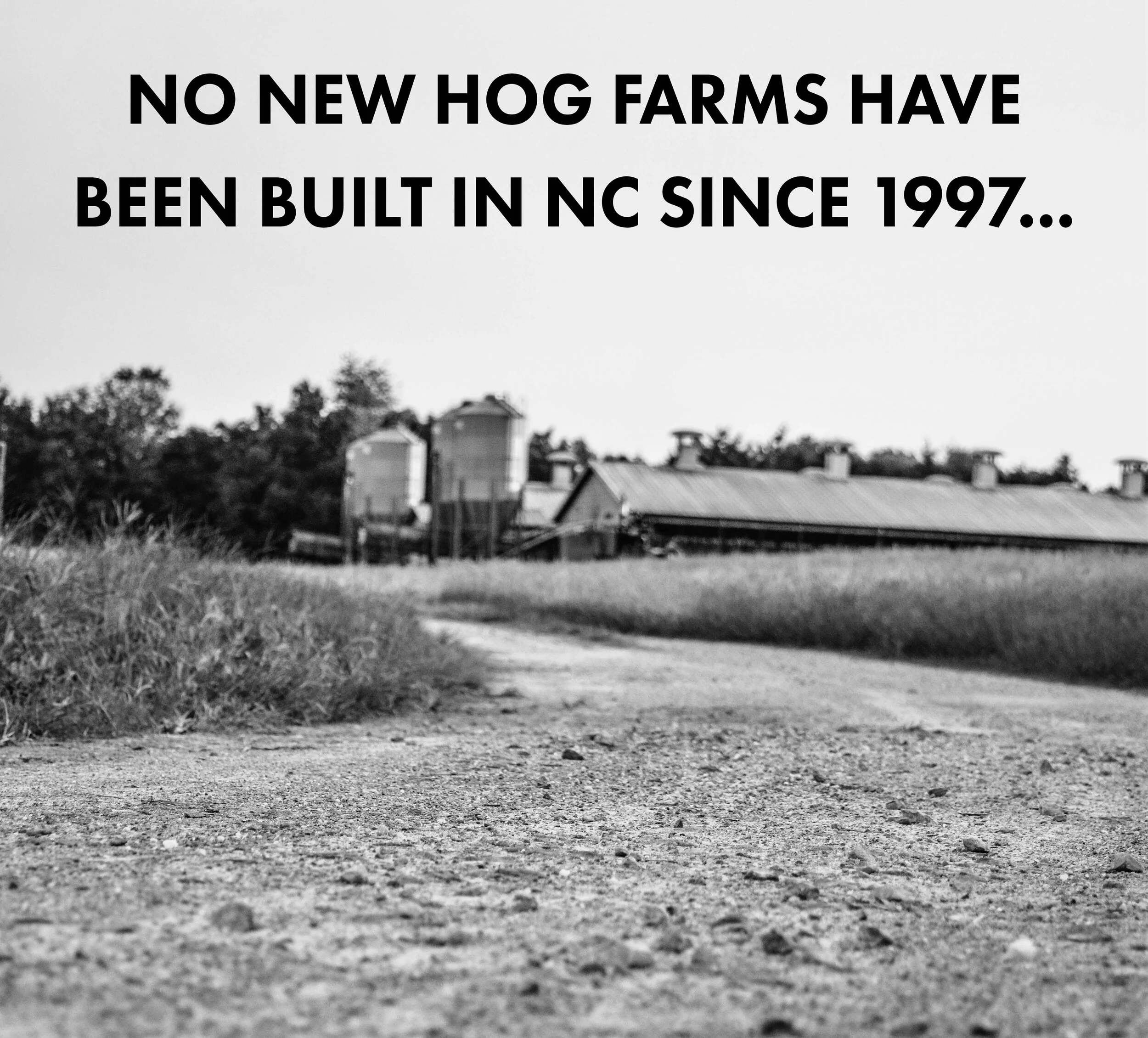
Let’s start with some background. The legislature imposed a moratorium on new or expanded pig farms in 1997. That moratorium became permanent in 2007. As a result, no new hog farms have been built in North Carolina in the past 23 years.
Nothing about this year’s Farm Act changes any of that.
What the Farm Act does do is allow pig farms to cover existing swine manure treatment lagoons or replace their lagoons with a methane digester. The purpose: to capture biogas that can be used to generate clean renewable energy.
These actions represent an advancement in manure management that should be celebrated by environmental groups.
Instead, they are trying to stoke fears with false accusations.
The legislation is clear. It specifically prohibits the construction of new farms or the expansion of existing pig farms that don’t meet strict environmental performance standards.
This legislation simply codifies into law what the NC Department of Environmental Quality has already been doing. Since 2011, the department has issued more than 20 permits for pig farms to cover their treatment lagoons or install methane digesters.
These new technologies are being adopted by more farmers across the state, representing an innovative step in how pig manure is managed. It is an advancement that should be encouraged.(The professor also tried to attach pig farms to an issue reporters care deeply about: public records. A separate provision in the bill aligns local and state privacy concerns with existing federal law. It has very little to do with pig farms, which account for only about 3% of the records at issue.)Sadly, some folks just can’t acknowledge there are positive steps being taken by family farmers and pork producers. They contort themselves into odd positions just to oppose progress — because they oppose modern agriculture.
Sadly, too, they toss aside facts and disregard the truth.

A Big Heart for Agriculture and Students: Friends of NC Farm Families with Olivia Herring

Part of our mission at NC Farm Families is to “share the truth and educate the public.” Often times, education takes place with the littlest members of the public—youth. We are so thankful for the many educators that shape our youth. We are extra grateful for educators who incorporate lessons in agriculture.
Olivia Herring is one such teacher who puts an importance on agriculture education. Her passion and efforts to improve agriculture literacy in, not just her classroom, but classrooms all over, certainly makes her an amazing highlight for our “friends of famers” series.
Teachers plant the seeds of knowledge that will grow forever.
Deep Roots
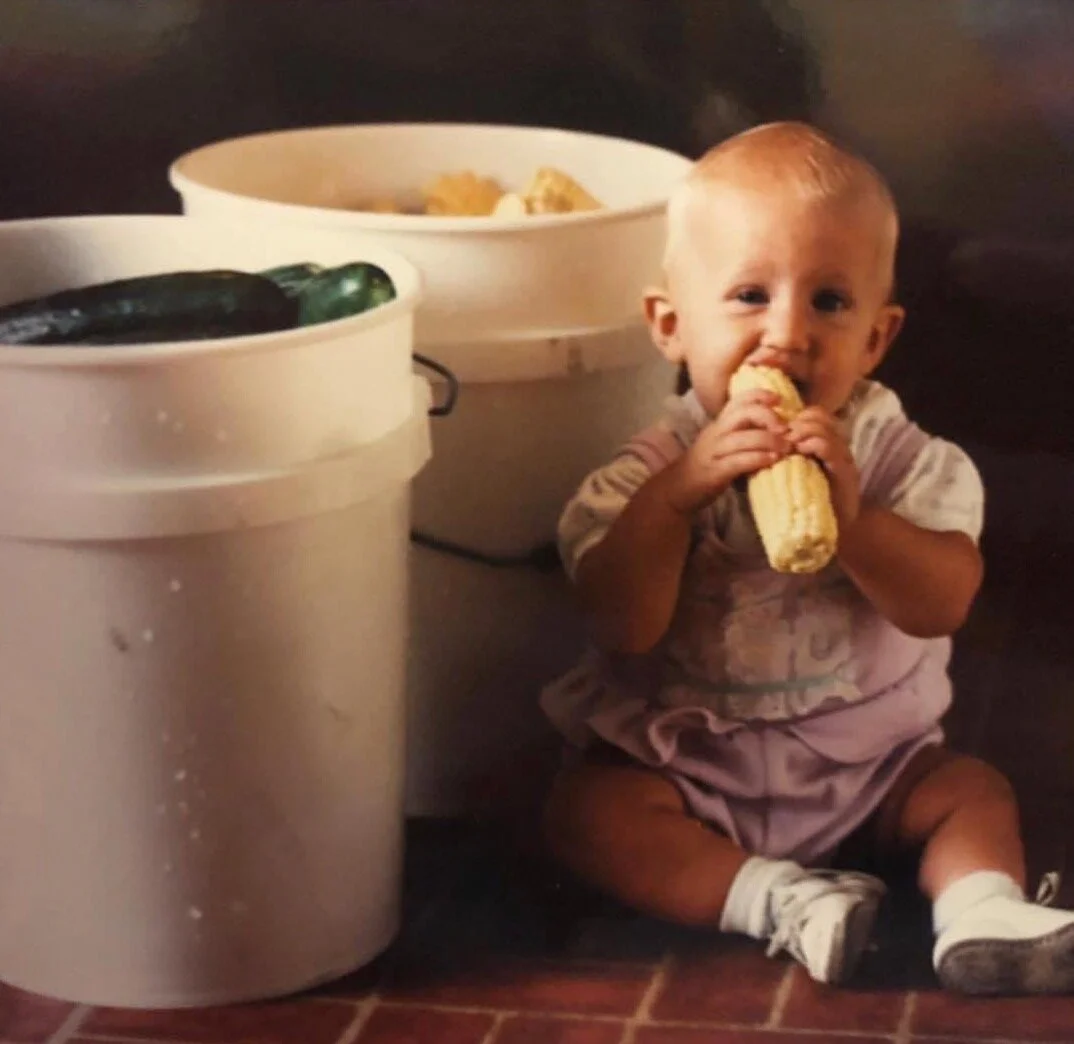
Olivia as a baby
Olivia Herring grew up in Scotts Store, NC in Duplin County. She attended B.F. Grady Elementary School and East Duplin High School growing up. After graduating high school she enrolled in UNC-Wilmington not in education, but instead as Pre-Med to pursue a career in the medical field.
“My parents told me they knew I was going to be a teacher from the time I was 5 years old – I think good teachers are just ‘born’ to do it!” Olivia said.
Unfortunately, teaching during this day and time isn’t exactly appealing, which is what lead Olivia to pursue a different path. After two years in college, she continued to feel the tug of teaching, so she answered her calling and changed majors. She later got her Master’s from Gardner-Webb in Curriculum and Instruction.
Although Olivia loves to travel and has been to almost every state in the USA an visited several countries, her roots run deep in her community and in agriculture. So, she returned back to Duplin County to teach. Olivia’s family goes back six generations in the area. Her grandpa Oliver (known to all as “Cotton”) were large landowners and worked on his family’s farm. He would later start his own logging business. The family has retained most of the family land. Being in Duplin County, it is no surprise that there were hog farms close by, which suited Olivia just fine. Pigs are her favorite farm animal, after all. In her words, “I just can’t imagine a world without pork!” Amen, Olivia!
Olivia could not imagine a better place to begin her teaching career than in Duplin County Schools. Afterall, Duplin County was where she went to school. It was in this community and attending these schools, that she was surrounded with peers and teachers who took pride in agriculture and encouraged this passion in students too. Returning as a teacher, she felt the same sort of encouragement.
“Working in a small community really gives you a sense of family – everyone supports your educational endeavors and it’s nice to have that encouragement,” she said.
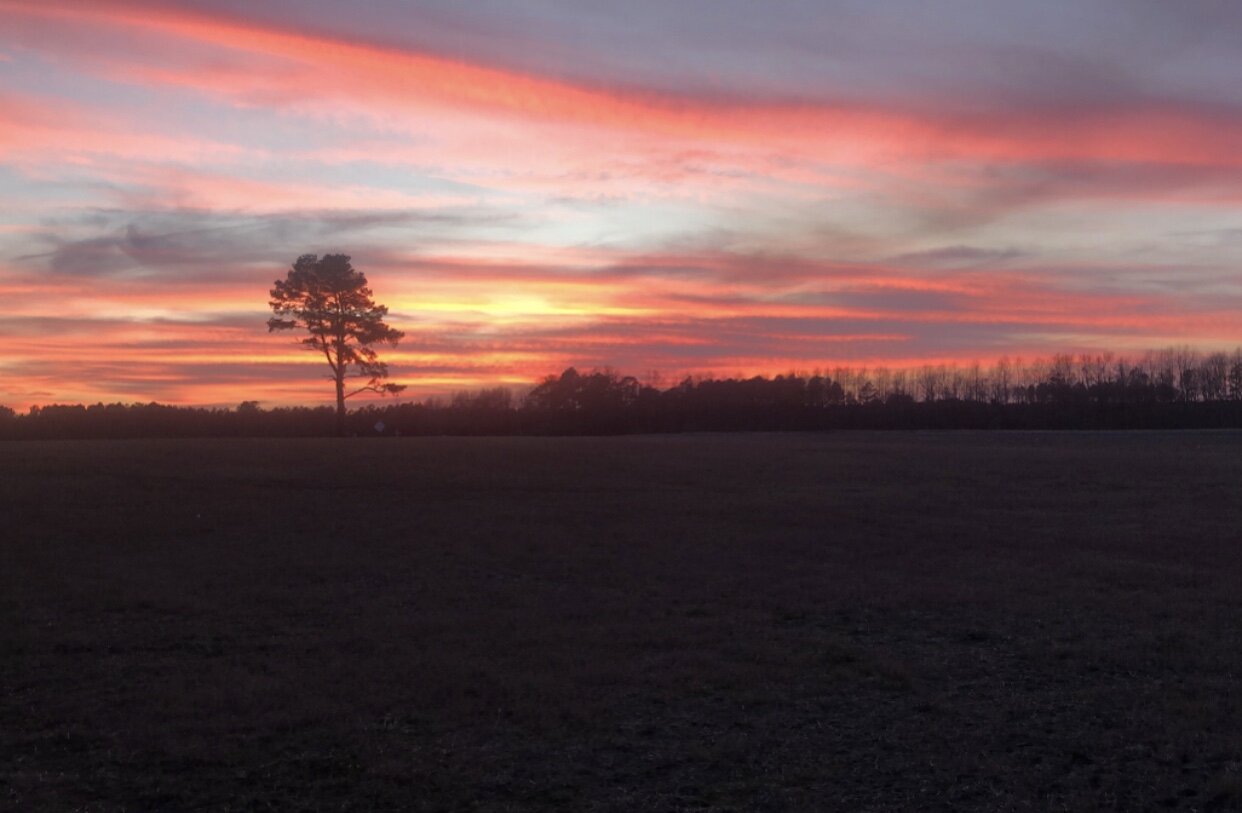
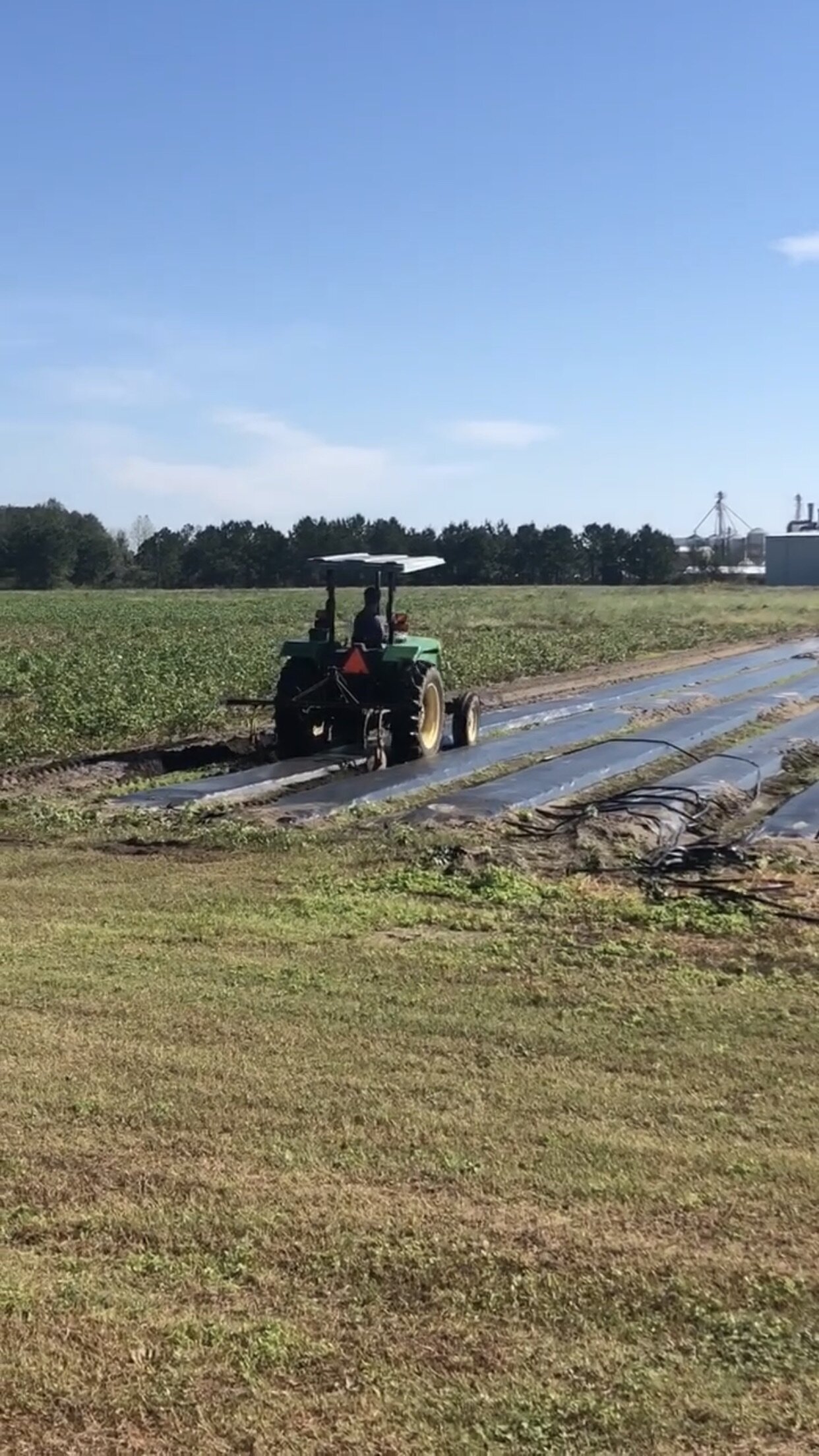
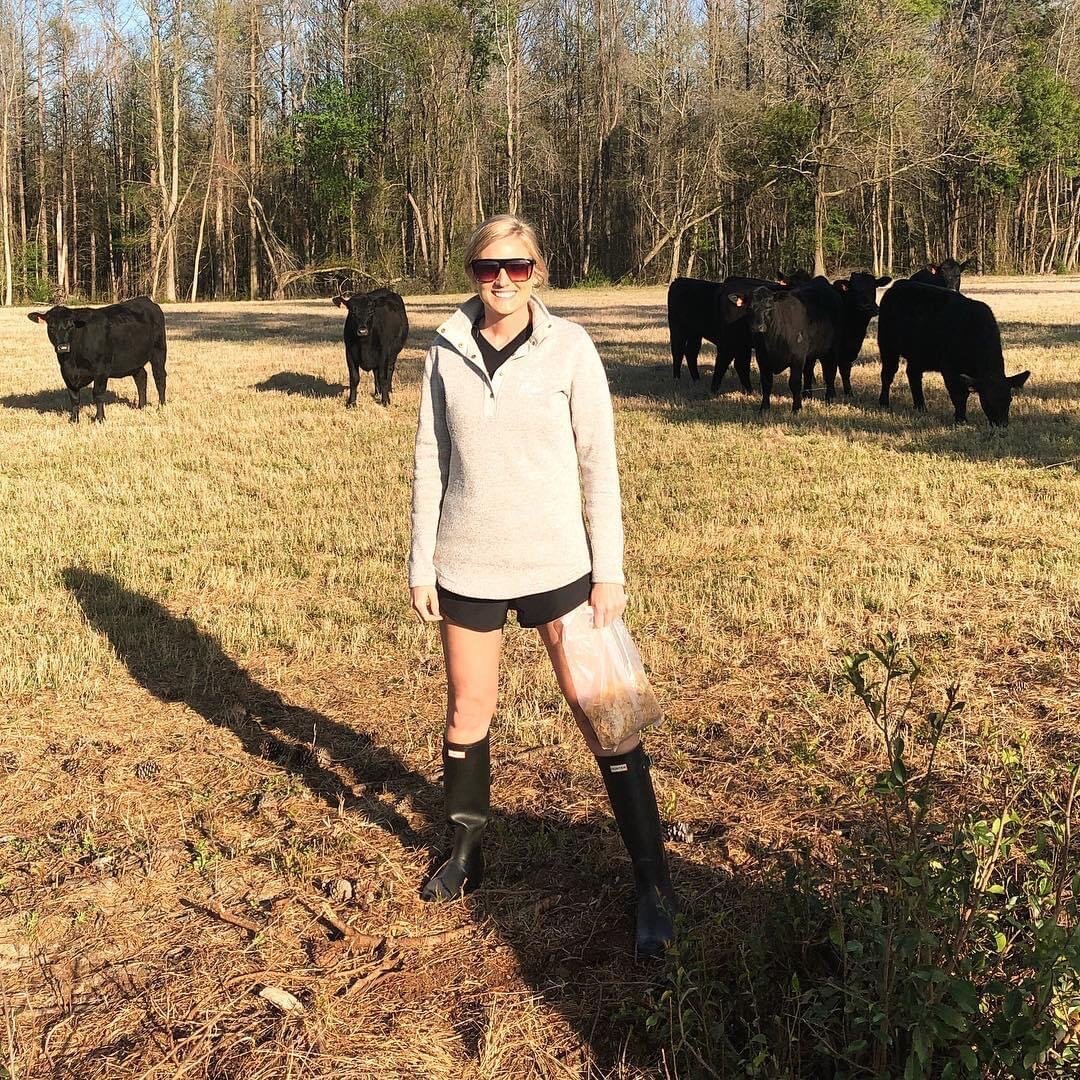
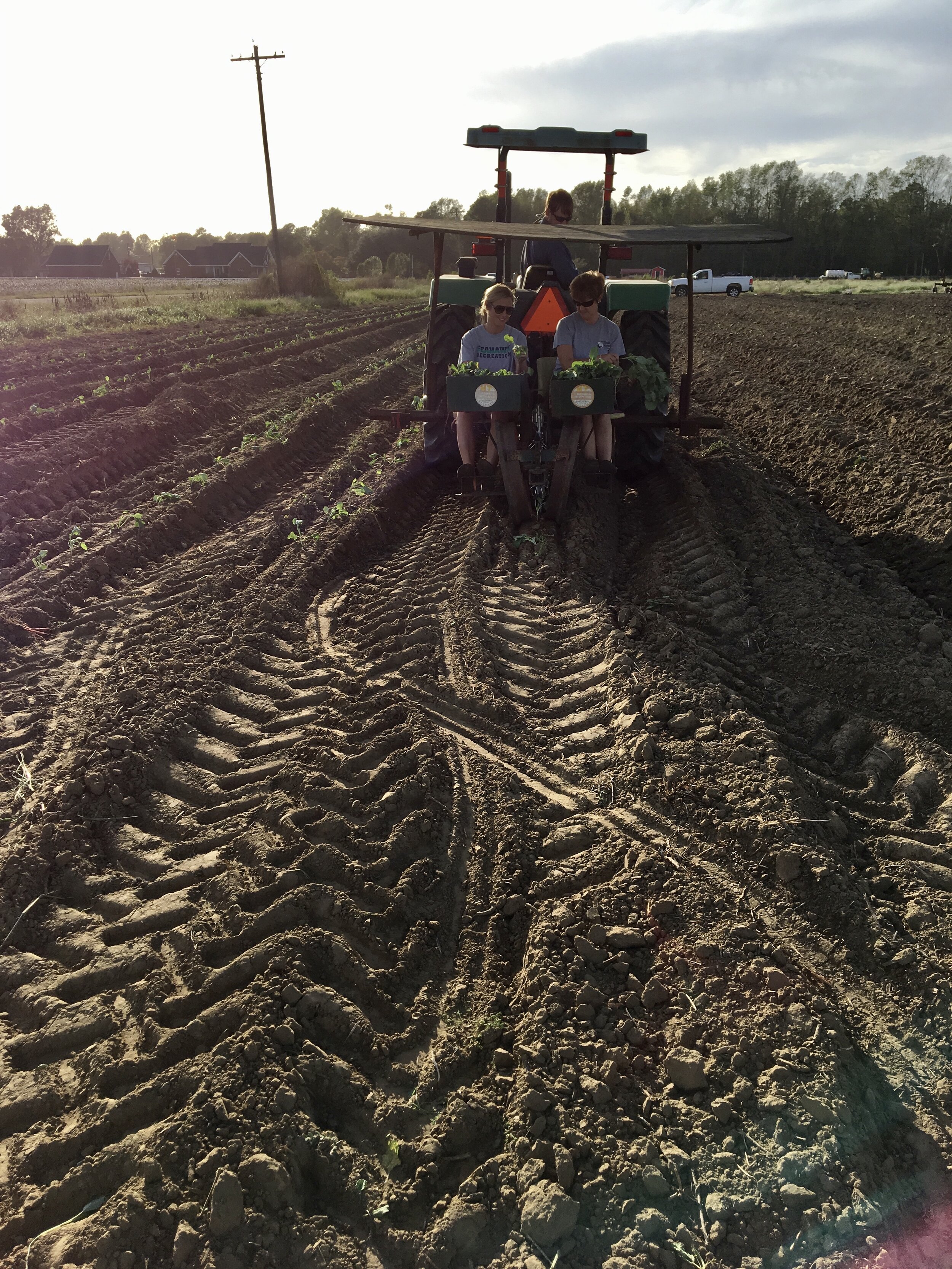
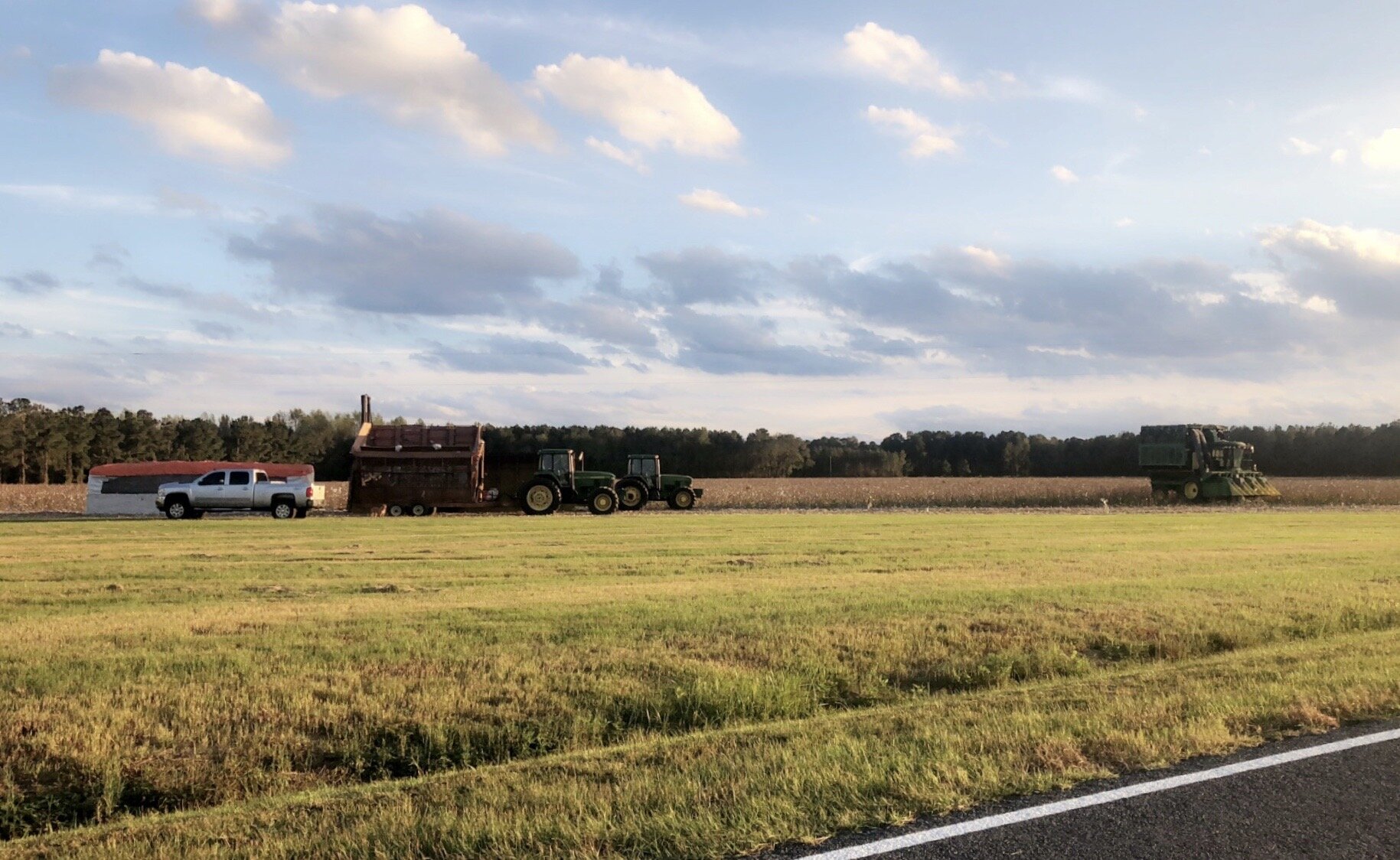
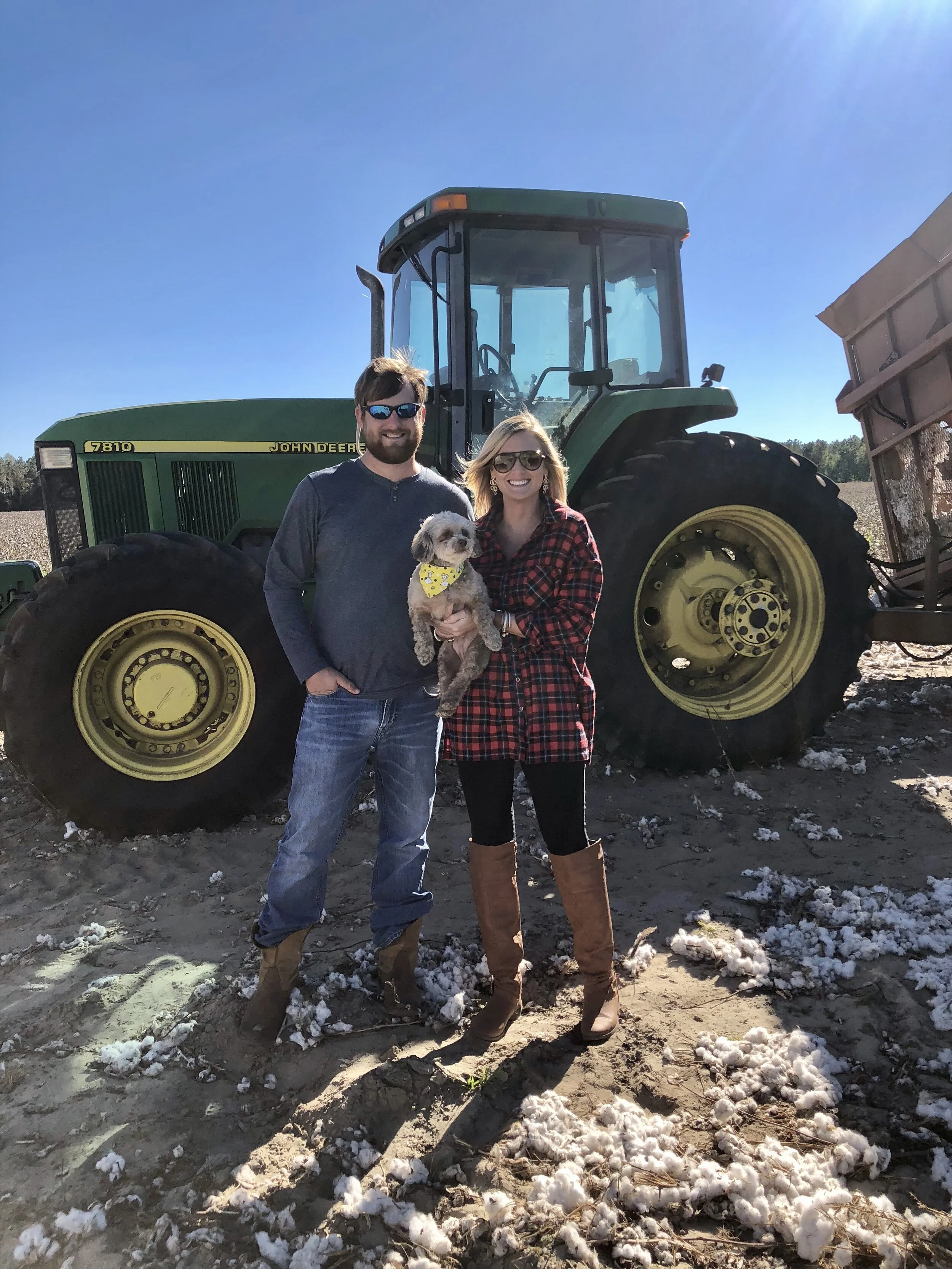
Last year, Olivia chose to move to another small rural community by accepting a teaching position at a new charter school--Emereau: Bladen, in Bladen County. Olivia chose to move to the area because she dates a local farmer in Bladen County, and we all know that you have to move to the farm because the farm isn’t moving! She’s enjoying farm life and watches the beautiful sunsets most every evening on the farm.
Teaching About Agriculture
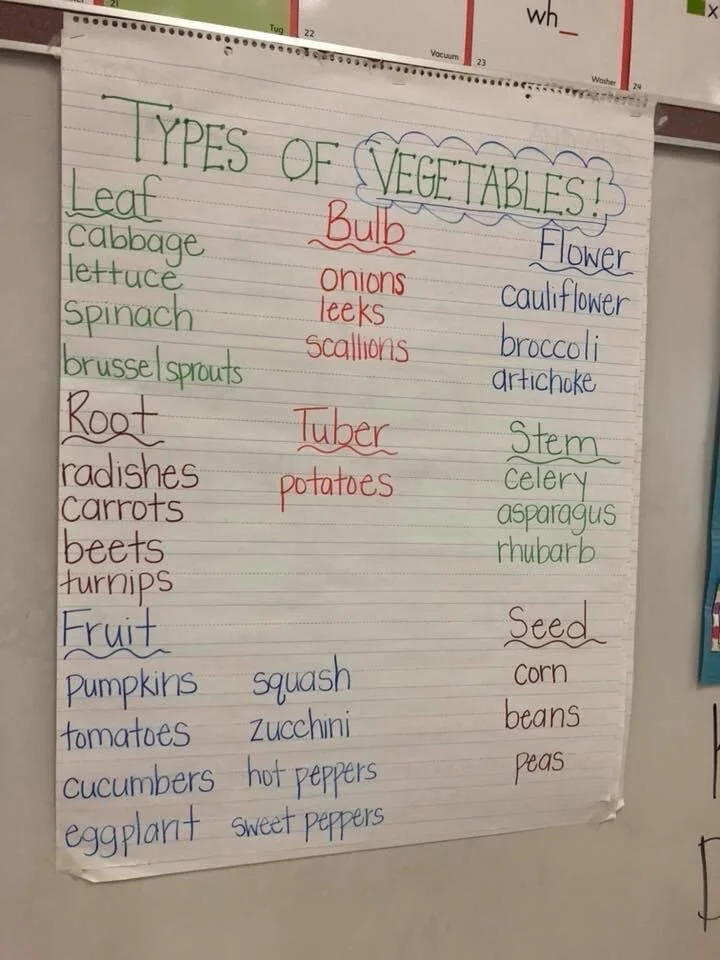
At Emereau, Olivia is a first-grade teacher. Because of her Master’s degree in Curriculum and Instruction, she has focused on how she can enhance lessons that are aligned with state mandated standards with the integration of agricultural concepts in the curriculum.
“The parents give me a lot of support for this initiative and implementing agricultural topics is something I hope will also enhance our community service in the future,” Olivia said.
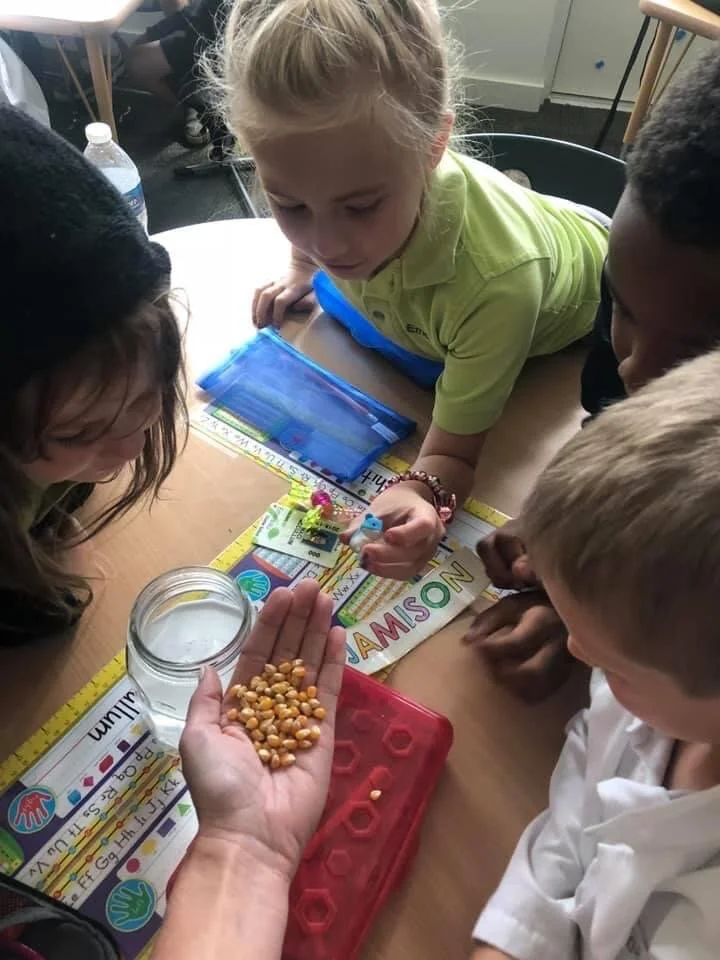
Because of Olivia’s deep roots in agriculture and rural Eastern NC communities, incorporating agriculture in her curriculum seemed the natural thing to do. Olivia believes that incorporating agricultural concepts enhances classroom lessons and engages students, especially in rural schools where they can easily make the connections from what they are learning to the community they live in. Olivia wants to encourage her students to explore how important the agricultural field is at the community level and the entire world.
It isn’t just that Olivia feels that ag literacy benefits and engages students, she also feels that it is important for the entire community, especially because of recent events. Nuisance lawsuits hit Duplin and Bladen Counties hard. These lawsuits made national headlines and have put our farmers in a negative light, but Olivia wants to support farmers and shine a positive light on them.
“Today, farmers are being attacked because of a lack of education people hold about farms and agriculture,” Olivia said. “We have to teach students, and all learners, about how we obtain the things we need to live because we are going to need future generations to choose the ag industry and provide these things for us.”
Olivia has advocated for agriculture as both a student (in college) and as a teacher. She believes in the farmer and knows just how hard they work, and how much they care for the land and the animals. When she hears misinformation, she shares her experience and passion, setting the record straight.
Teachers don’t just teach, they inspire, and Olivia is doing just that. She has a heart for inspiring students to learn about agriculture and all it has to offer—food, fuel, fiber, and careers. Although, her first graders will probably change their mind about what they want to be when they grow up a few times before college, they are getting valuable hands-on experiences in their agriculture lessons that is teaching them life skills.
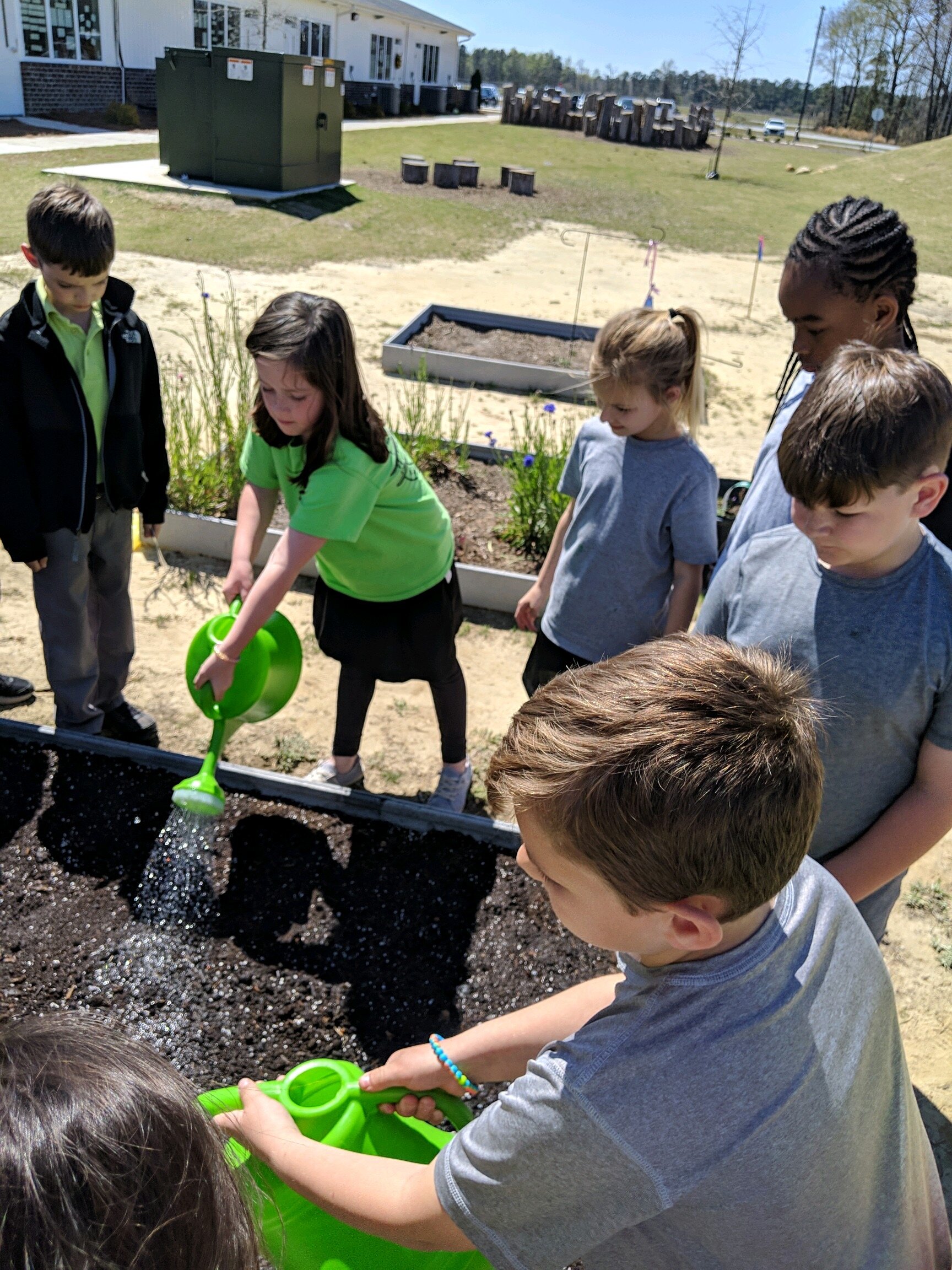
Olivia’s students have been able to complete projects like chick incubation, raised-bed gardens, produce stands, and even partnering with parents to sew clothes (an extension of their cotton unit). A favorite has been the raised-bed gardens.
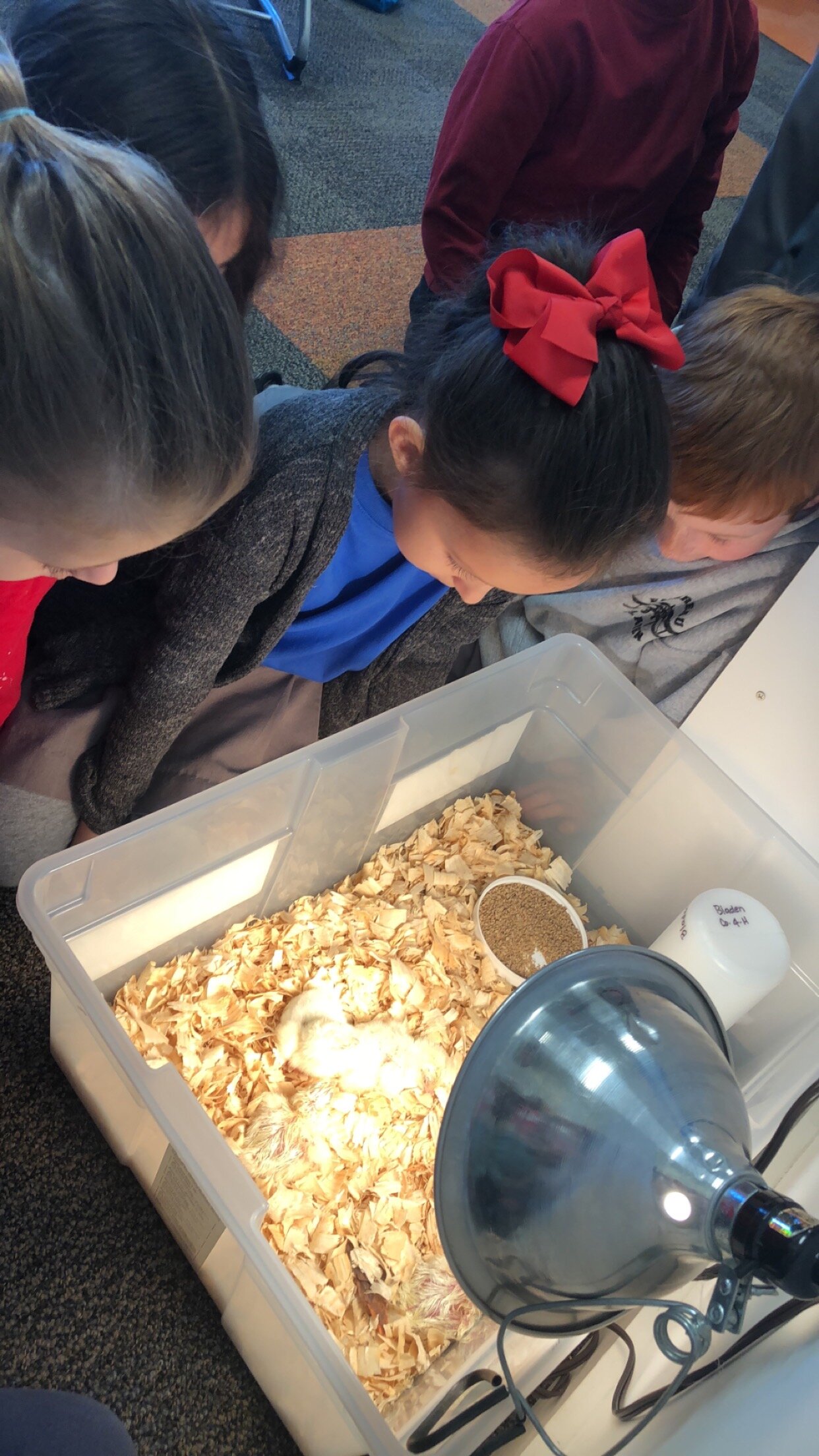
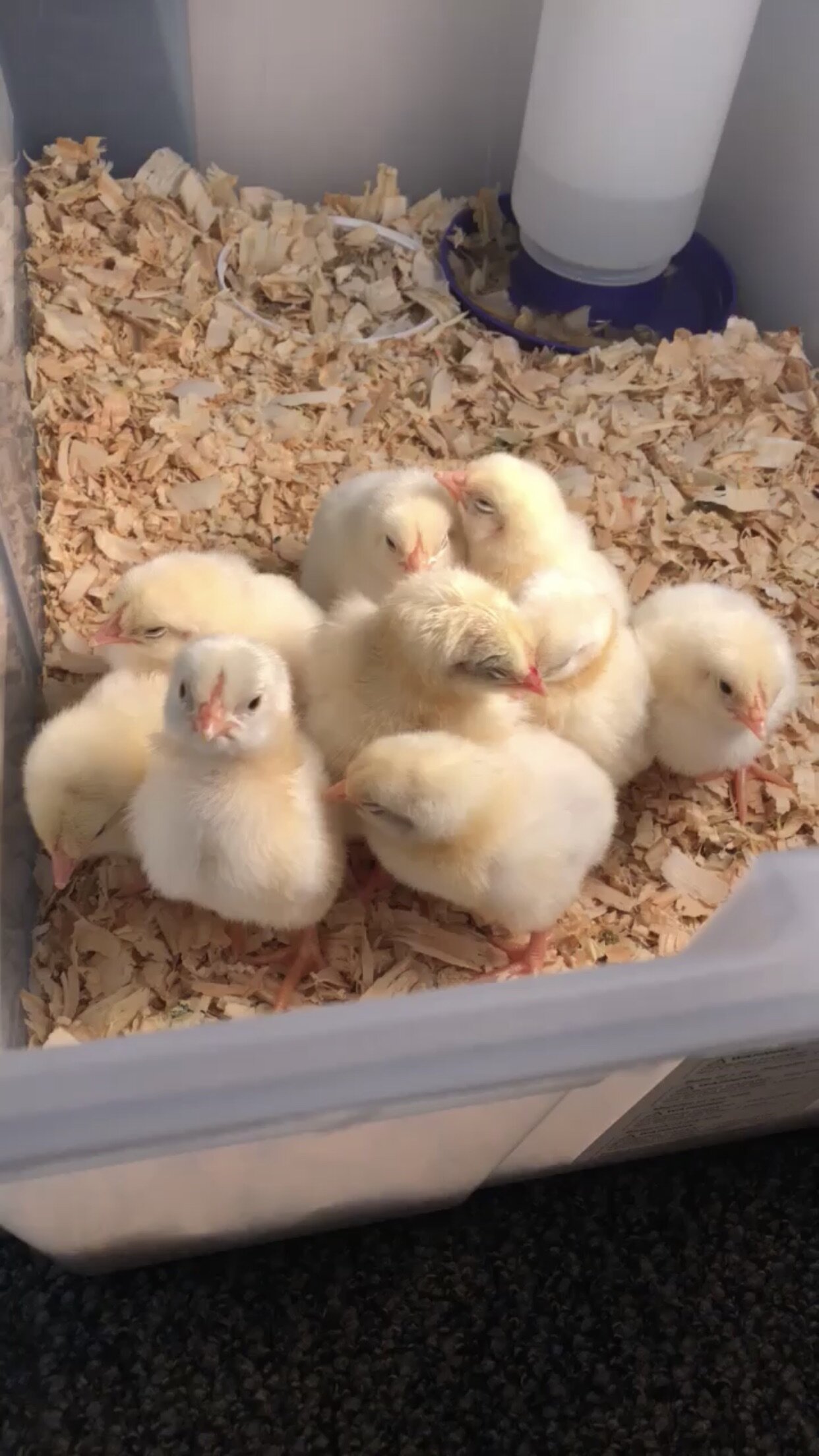
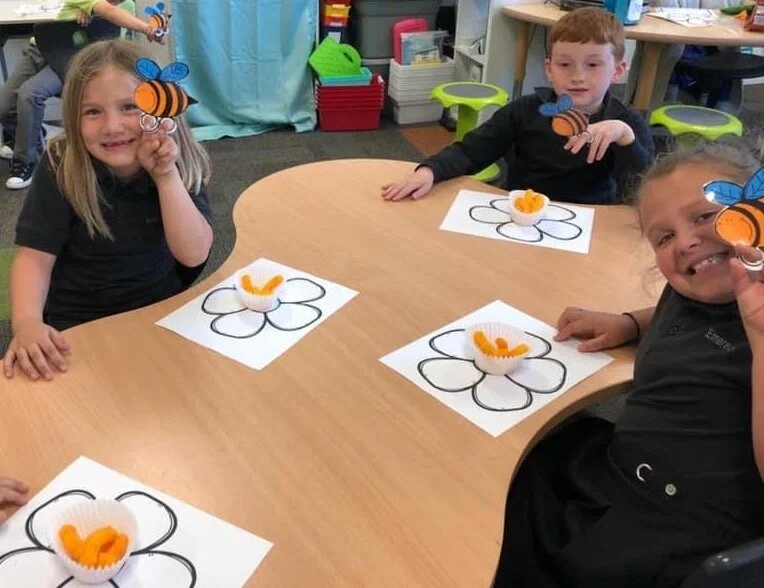
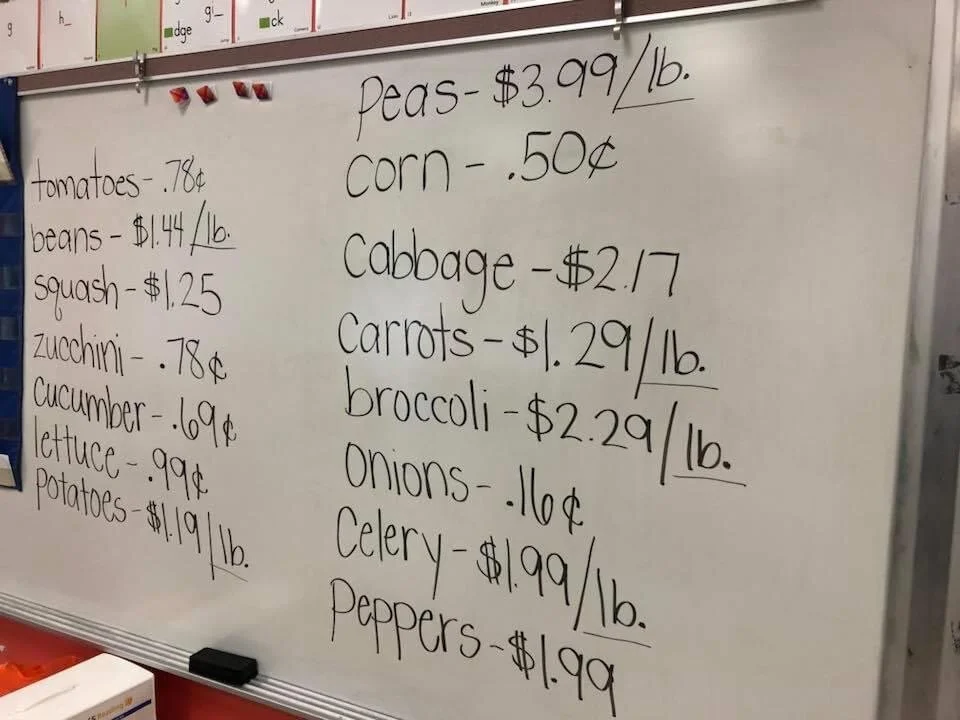
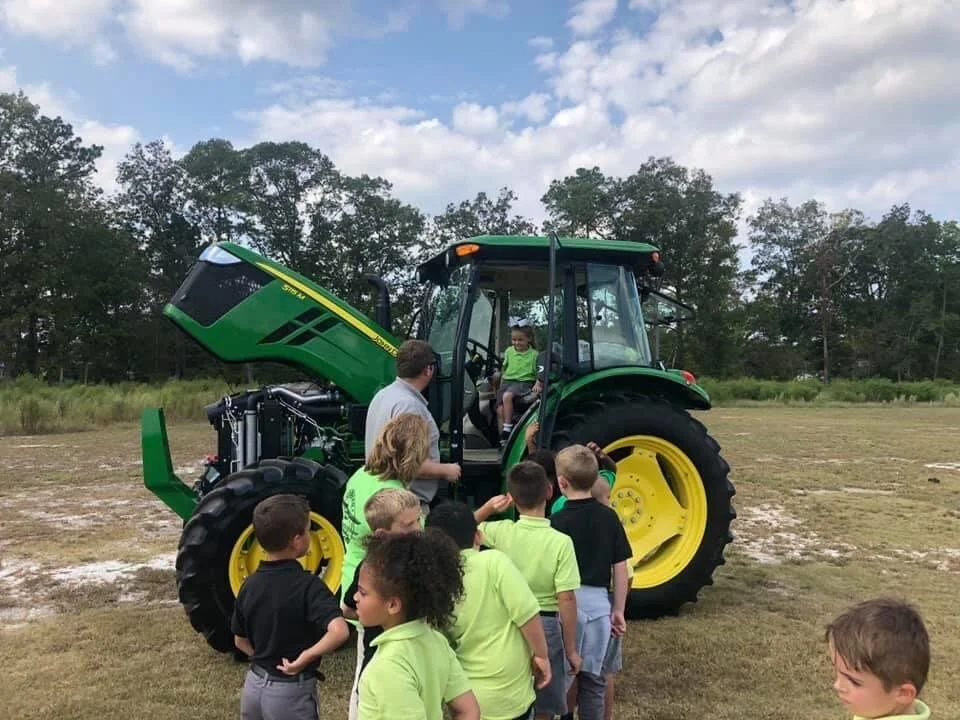
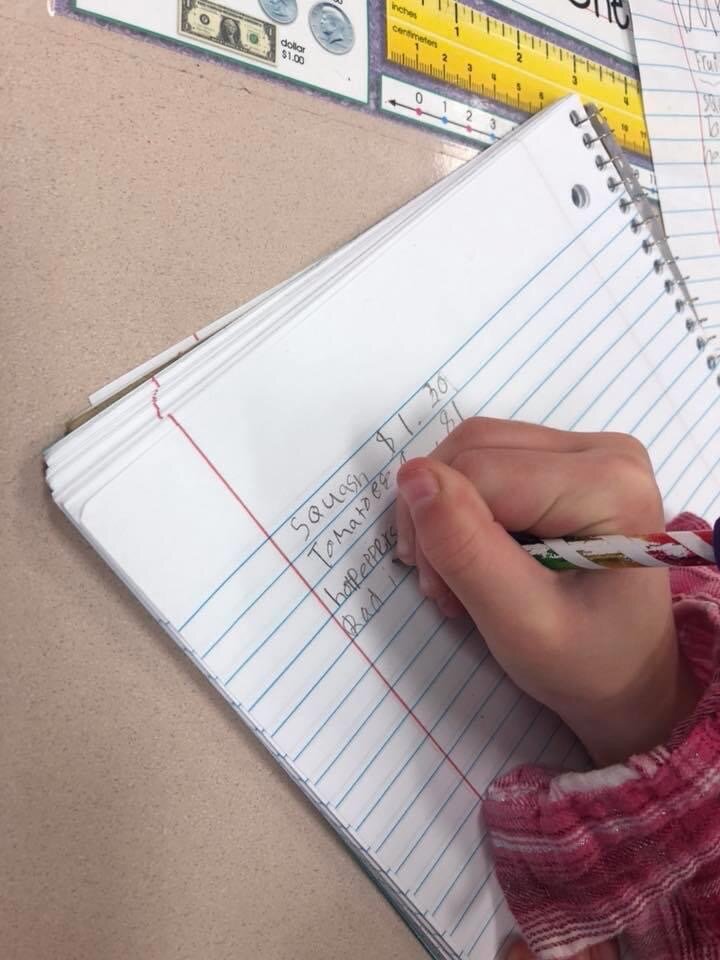
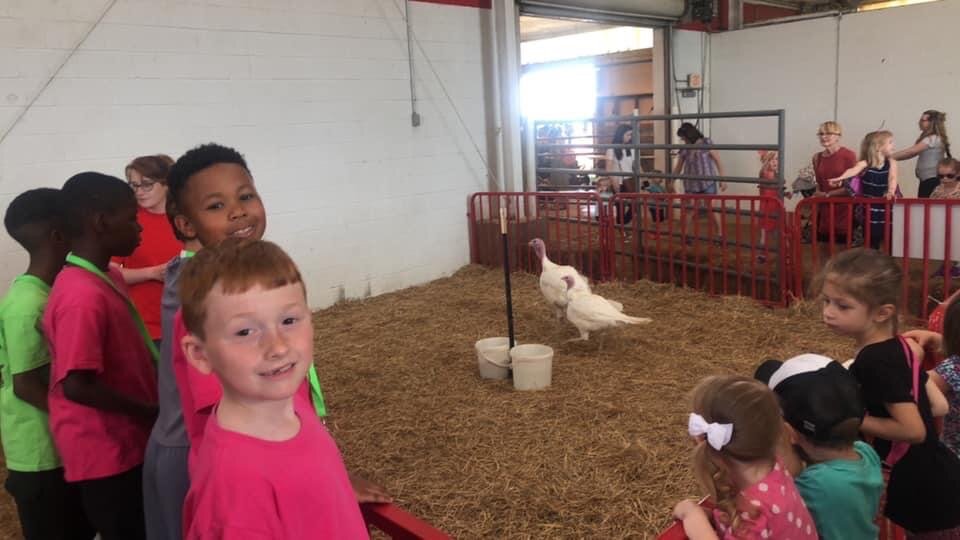
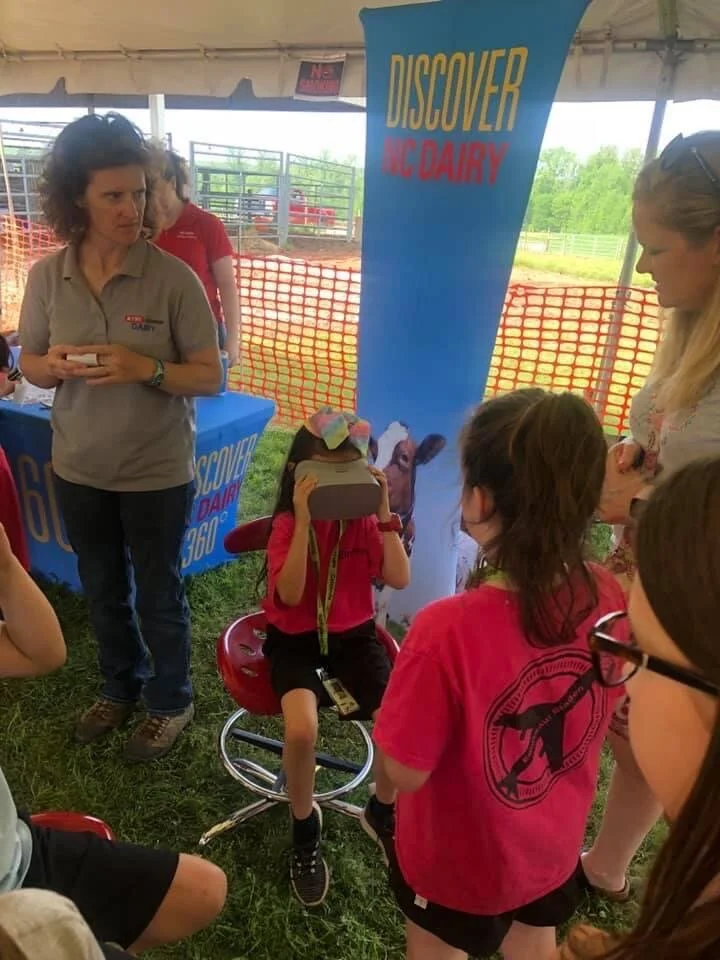
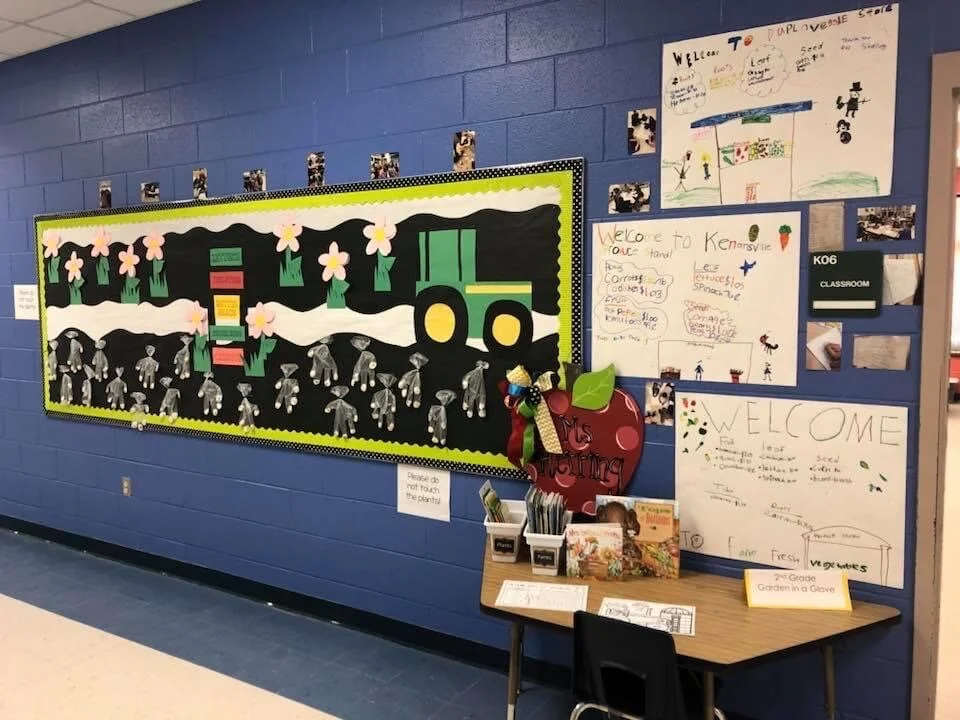
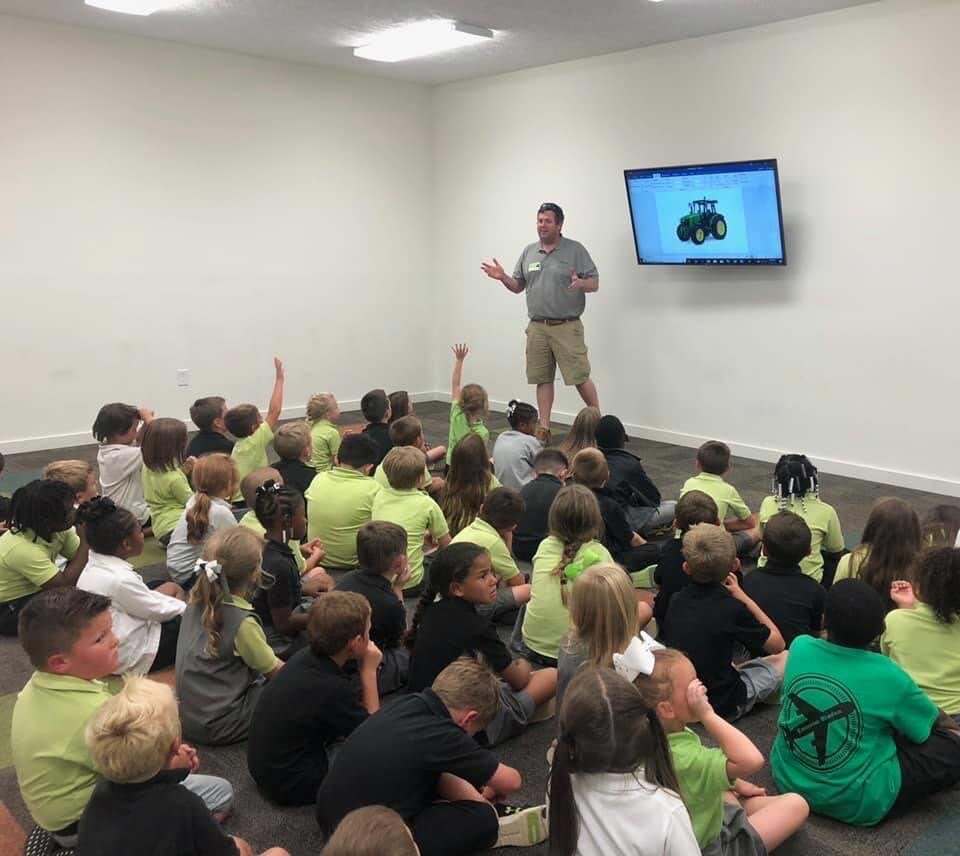
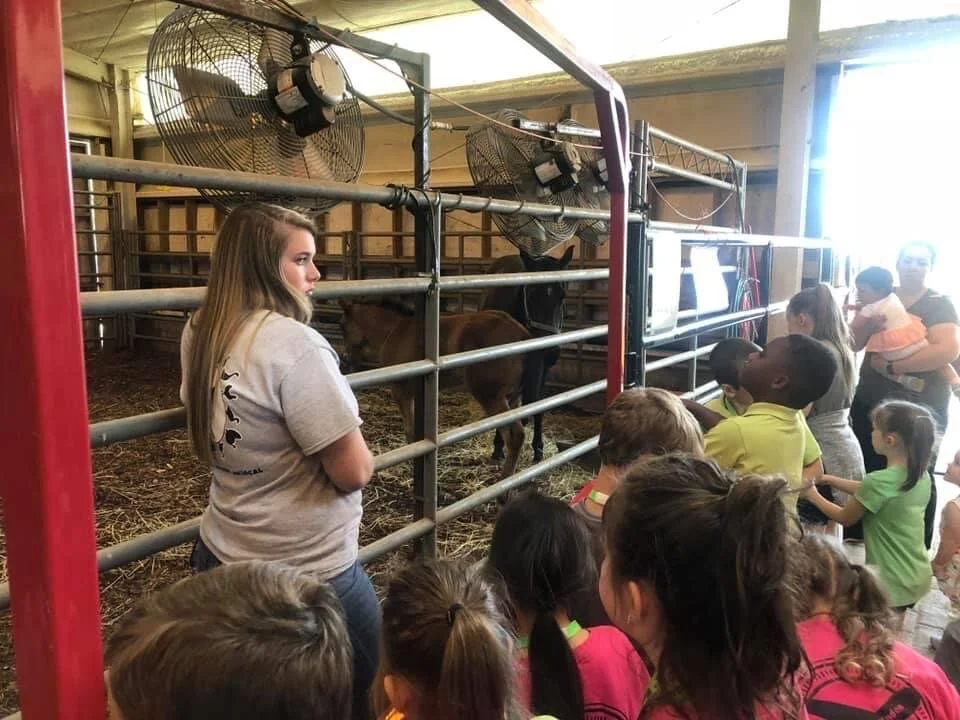
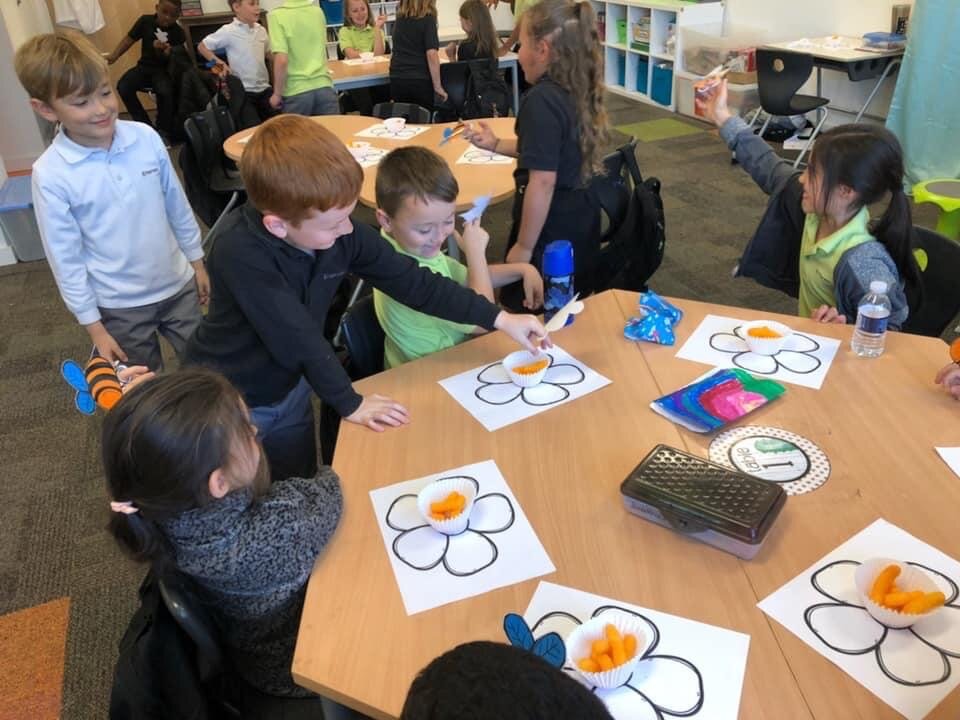
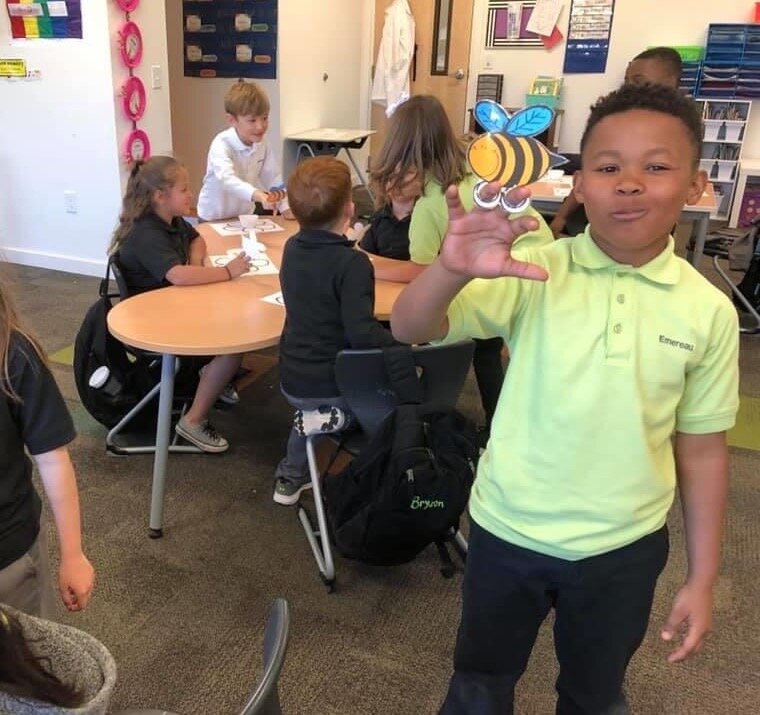
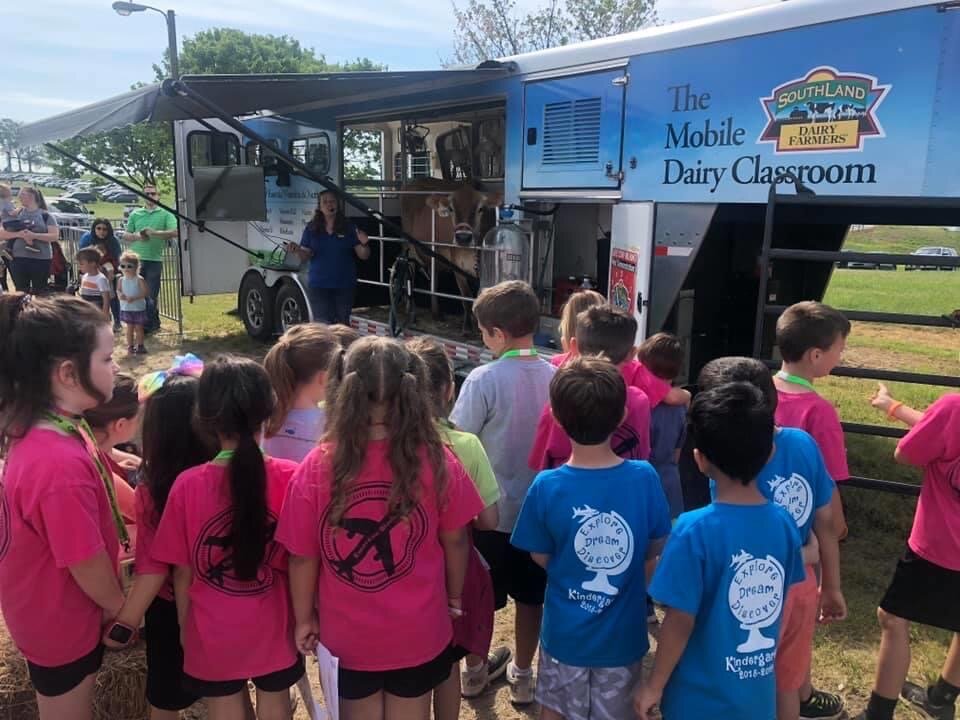
“They love having the responsibility of keeping a plant alive and the reward of seeing them harvest the final product never gets old. I think this project also gives them a deeper understanding of what farmers do, where our food comes from, and having respect for the land,” Olivia said about the raised-bed project.

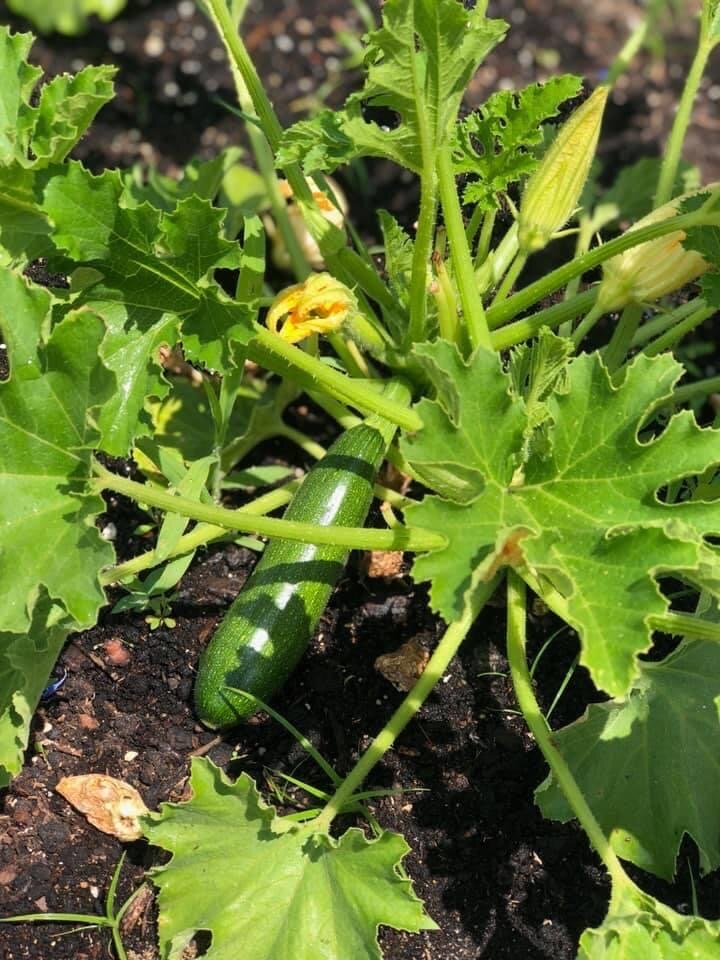
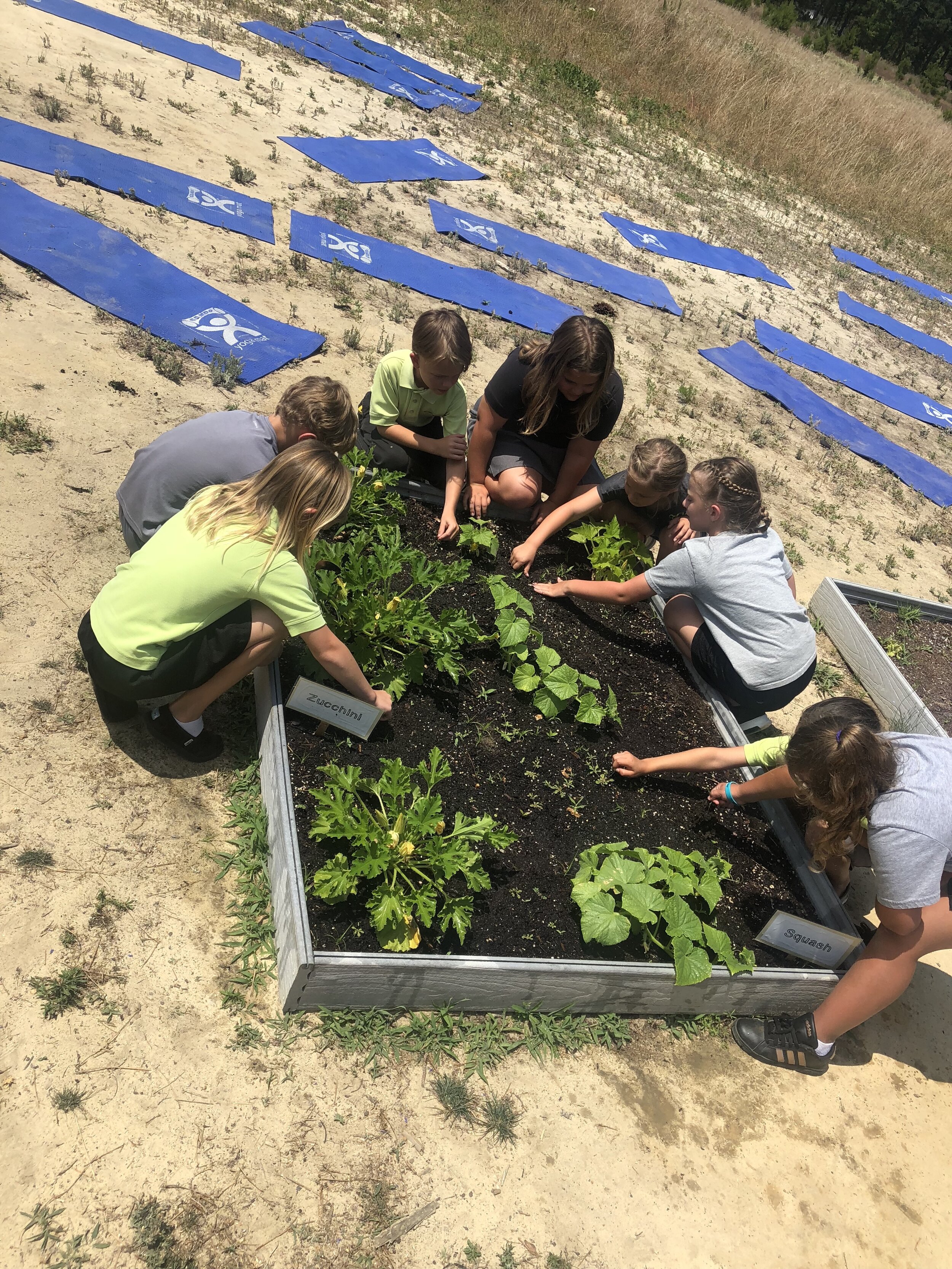
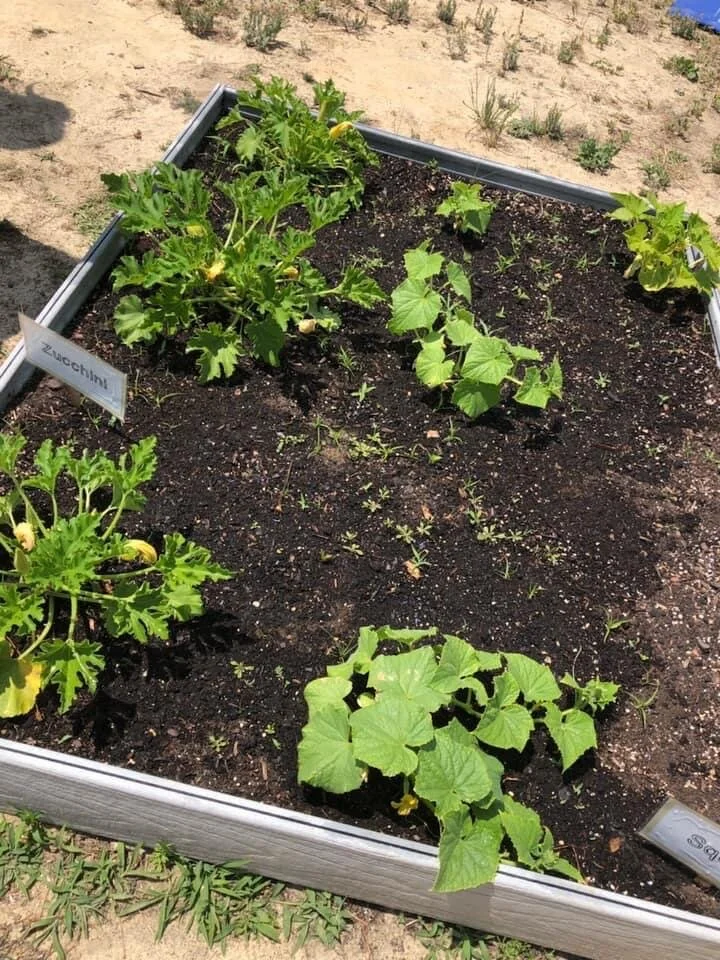
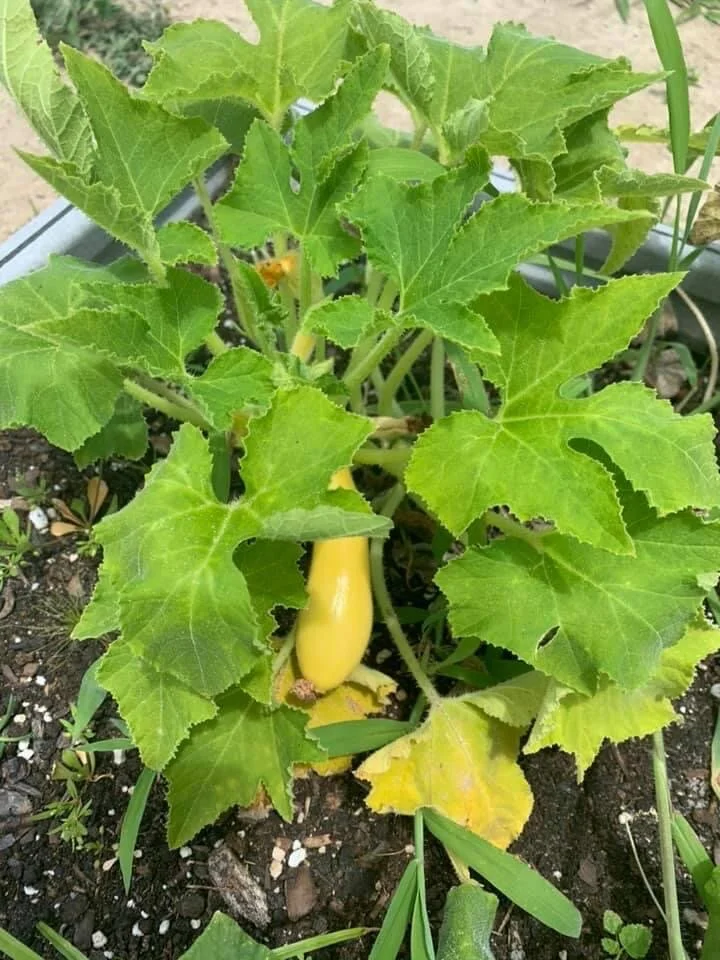
Her students also come visit Olivia at her and her boyfriend, Eddie’s produce market, called Eddie’s Produce. So, not only are they getting to grow food, but they are also able to meet a real-life farmer!
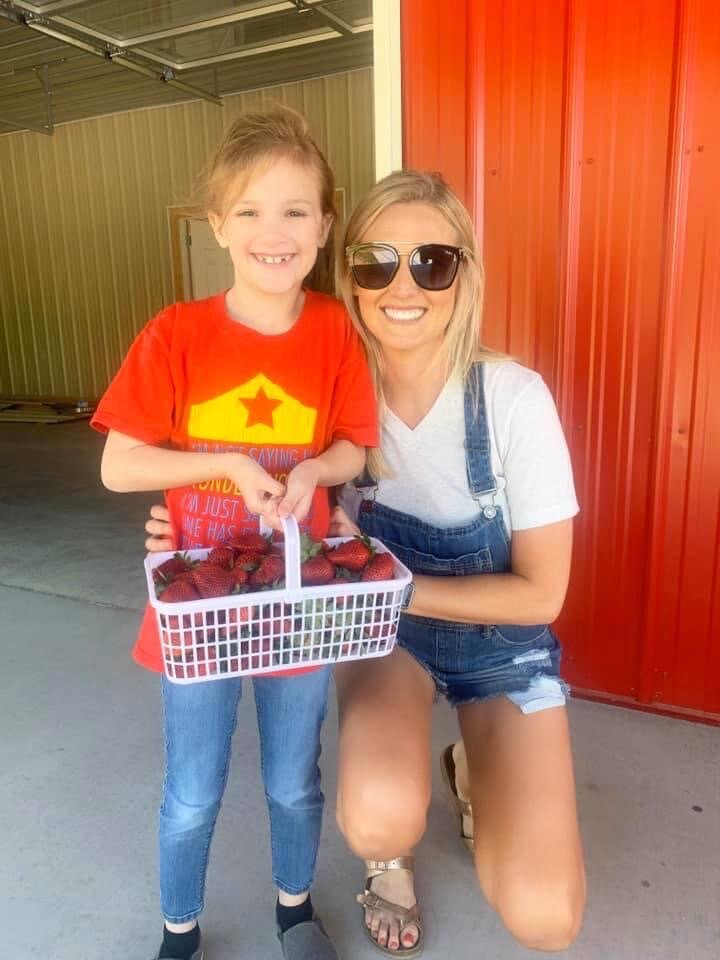
Olivia hopes to partner with other teachers to start a community pantry in the future, as well as to have an FFA club as they start high school at Emereau. Olivia is filled with many hopes, dreams and ideas for the future. Despite having to say “good-bye” to her students abruptly due to COVID-19, she and her class made the best of the situation. Olivia’s passion has not been diminished. She is even more excited to return to the classroom and see her “kids”.

To prepare for the future, Olivia is participating in the Ag Summit Virtual Conference. Originally, set for an in-person conference in Utah, Olivia, along with other attendees will be participating virtually rather than traveling like originally intended. The silver-lining to this situation is that the conference is FREE and available to anyone looking to incorporate agriculture in the classroom. Olivia will be attending each session to gain knowledge of ag literacy across all grade levels so she can strengthen her instructional practices as well as encourage and help other educators with endeavors to do the same.
“I encourage any educator, even those who do not teach in rural schools, to register for this conference because it is an opportunity to strengthen our skills and enhance our instruction to engage students and ensure their success,” Olivia urges.
She was originally awarded a scholarship to attend the Summit in Utah, but because of its cancellation, she will be able to apply that scholarship to next year’s conference in Iowa. This scholarship is made possible by the CHS Foundation, and Olivia is extremely thankful for their support.
To learn more about the conference (held June 24-25 virtually) and register, visit https://www.agclassroom.org/conferences/virtual.cfm?fbclid=IwAR1Q7R6C4CdEvXZF2CYstXPiHY43QPWqnfLVMDG6ke525HOTyK_XKKYMR_0
Olivia is hopeful that learning how to incorporate agriculture in the classroom will teach students the importance of rural communities to the world. She also wants students to realize that agriculture is filled with a plethora of career opportunities—science, technology, humanities, and math.
Olivia’s efforts in the classroom do more than help students explore career opportunities or understand where their food comes from, she is sharing her passion for farmers and agriculture with the next generation, and hopefully, some of that passion and love will rub off on her students and stick with them into adulthood.
It takes a big heart to shape little minds, and we are so thankful that educators like Olivia Herring have such a big heart for both their students and for agriculture.

Farm families extends beyond the farmer and their immediate family members. It also includes a large network of friends and colleagues that have a part in helping the farmer grow crops and raise livestock. We want our “friends of farmers” to be highlighted for three reasons:
They work hard and deserve to be recognized and thanked.
While farm families are our core, agriculture is a much bigger family. Farming wouldn’t work without our friends.
To show just how profoundly agriculture connects us.
If you would like to nominate a “Friend of NC Farm Families”, shoot us a message!