

Farmkeepers Blog
The Farmkeepers is the official blog of NC Farm Families. It is here that words will flow, our voice will be heard, a stand will be made, and the farm families of North Carolina will be protected. In these posts, we'll set the record straight. You'll see the faces of the families who feed us. Here, you'll receive all the updates and news. It is here that we will fight for farmers and be the keepers of the farm in NC. We hope you'll join us. Follow along on social media and by joining our email list.
Misleading. Mistaken. One-Sided-- Just a Typical Hog Farm Article , so Here's the Other Side
The latest misleading, mistake-filled attack on North Carolina’s family farmers comes from Vox, an online news outlet with a mission to “explain the news.”
After listening to a 30-minute podcast that takes aim at how we raise our pigs, it seems like we’re the ones who need to explain a few things to Vox.
The podcast, eloquently titled “pig poop lagoon,” features the same cast of activists, making the same tired arguments about our farms. This piece takes particular issue with the lagoon and sprayfield system and features plenty of complaints about odor.
As farmers, we’re the first to admit that farms have an occasional smell. But some people claim the odor is always present, or that it is so overpowering that it’s nearly impossible to leave home.
We know what it’s really like to live next to a hog farm.
But don’t take our word for it. Look at the results of an air quality study conducted in Duplin County this year by the NC Division of Air Quality. They collected 15 months of data and found that there was no significant air quality issues.
You can also read how people with no agenda describe the smell on our farms.
When a reporter visited a Bladen County farm in 2017, here’s what he said: “Upon stepping out of a vehicle, the first thing one might notice is the absence of something — an aroma. There was no odor. Of any kind. None.” Other reporters have described odor as “almost negligible” or as “a light barnyard smell.”

To make its case, the Vox podcast dredges up an old study on odor that was conducted by a UNC professor who described himself as a “committed activist.” It spends two full minutes talking about the study but fails to give listeners the most important piece of data — the participants reported no odor or very faint odor more than 80 percent of the time and strong or very strong odors only two percent of the time.
This is what the data collected by our harshest critics found. (Click here to read more about the flaws with that study.)
Vox is a Latin word meaning “voice,” but this podcast represents only one voice. That of the activists who want to put an end to animal agriculture.
Over the course of the 30-minute podcast, Vox devotes a grand total of 22 seconds to the viewpoint of our farmers and our industry. No surprise that they failed to adequately capture our perspective.
One example: Vox notes that the pork industry took issue with a study about the demographics of who lives near North Carolina hog farms, but fails to tell listeners the truth of the matter: Census data shows that 68 percent of hog farms in North Carolina are in areas where African-American residents make up 30 percent or fewer of the population, and only 13.5 percent of hog farms are located in communities where a majority of residents are African-American.
The podcast also tries to raise health concerns about living near hog farms. But you don’t hear from any medical experts, and certainly no one like Dr. Keith Ramsey, the medical director of infectious disease control at Pitt County Memorial Hospital and former chairman of the Pitt County Board of Health.

Dr. Ramsey has conducted studies involving residents across eastern North Carolina and specifically looked at any association between health outcomes and our farms. His conclusion: “I have observed no indication that living near a hog farm causes any increased risk of infection by antibiotic-resistant or any other bacteria... The real health threats needing attention in eastern North Carolina are diet and lifestyle... not hog farms.”
We could go on and on, but we need to get back to the farm. We have pigs to raise and millions of families to feed. And we’ll continue to do it in a caring and responsible way.
NC Farm Act contains no loopholes for industry expansion.
In politics, people often attempt to “twist the facts” in hopes of persuading others to support their views. Other times, they just flat out tell mistruths.
That’s exactly what we saw in a recent WRAL opinion column about the NC Farm Act, which was signed into law this week. The article, written by a Duke law professor who is a frequent critic of North Carolina’s pork industry, falsely claimed that the legislation would allow pig farms “to expand for the first time since 1997.”
That’s simply not true.
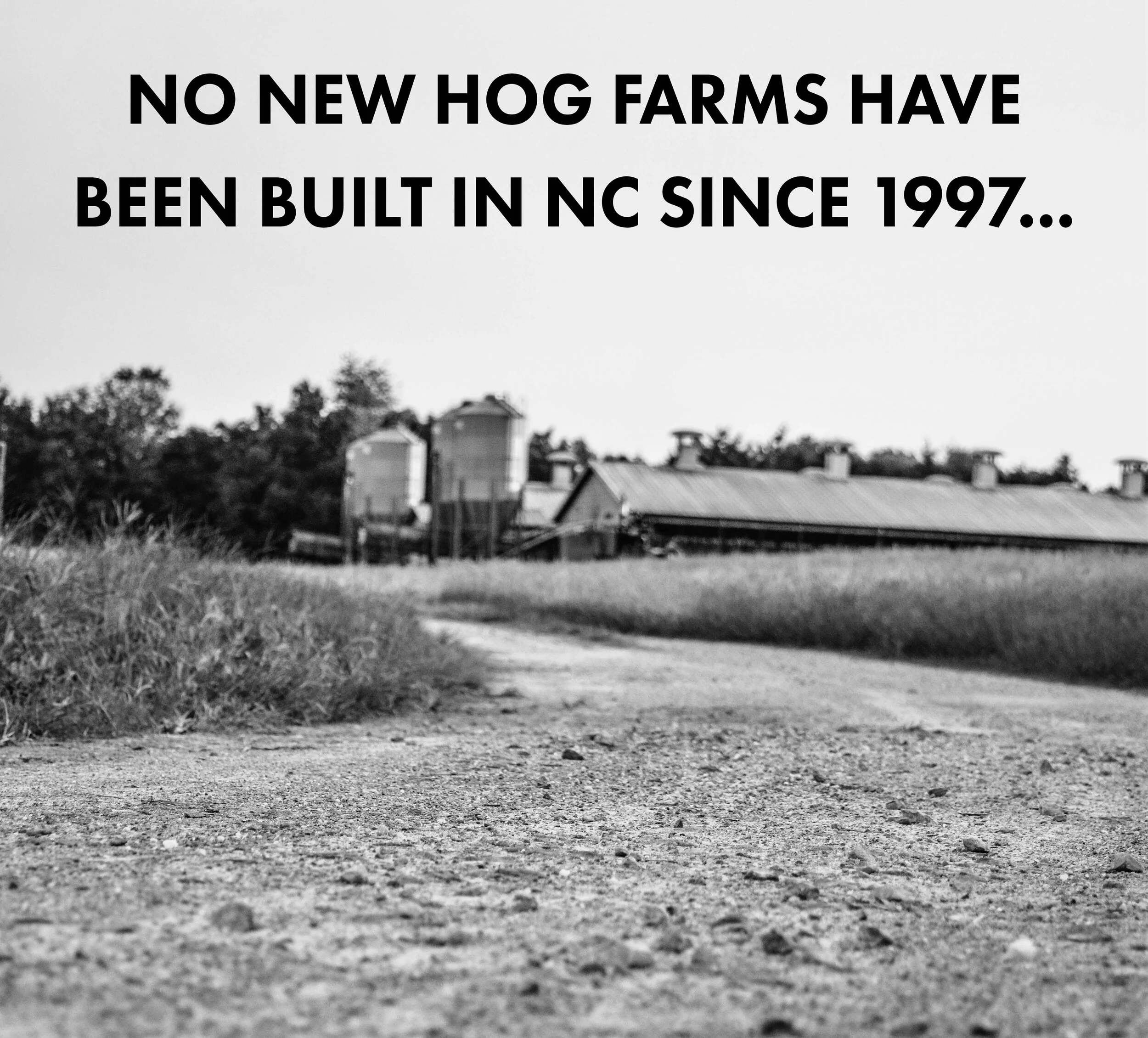
Let’s start with some background. The legislature imposed a moratorium on new or expanded pig farms in 1997. That moratorium became permanent in 2007. As a result, no new hog farms have been built in North Carolina in the past 23 years.
Nothing about this year’s Farm Act changes any of that.
What the Farm Act does do is allow pig farms to cover existing swine manure treatment lagoons or replace their lagoons with a methane digester. The purpose: to capture biogas that can be used to generate clean renewable energy.
These actions represent an advancement in manure management that should be celebrated by environmental groups.
Instead, they are trying to stoke fears with false accusations.
The legislation is clear. It specifically prohibits the construction of new farms or the expansion of existing pig farms that don’t meet strict environmental performance standards.
This legislation simply codifies into law what the NC Department of Environmental Quality has already been doing. Since 2011, the department has issued more than 20 permits for pig farms to cover their treatment lagoons or install methane digesters.
These new technologies are being adopted by more farmers across the state, representing an innovative step in how pig manure is managed. It is an advancement that should be encouraged.(The professor also tried to attach pig farms to an issue reporters care deeply about: public records. A separate provision in the bill aligns local and state privacy concerns with existing federal law. It has very little to do with pig farms, which account for only about 3% of the records at issue.)Sadly, some folks just can’t acknowledge there are positive steps being taken by family farmers and pork producers. They contort themselves into odd positions just to oppose progress — because they oppose modern agriculture.
Sadly, too, they toss aside facts and disregard the truth.
