Farmkeepers Blog
The Farmkeepers is the official blog of NC Farm Families. It is here that words will flow, our voice will be heard, a stand will be made, and the farm families of North Carolina will be protected. In these posts, we'll set the record straight. You'll see the faces of the families who feed us. Here, you'll receive all the updates and news. It is here that we will fight for farmers and be the keepers of the farm in NC. We hope you'll join us. Follow along on social media and by joining our email list.
Beware of "Smell of Money" documentary
Documentaries are supposed to get it right, but sometimes they don’t. Sometimes they just want to push an agenda.
There’s a documentary called “The Smell of Money” that’s been making the rounds among activist groups recently. The film is an 84-minute attack on North Carolina hog farms and the family farmers who operate them.
It features all of the usual suspects—neighbors like Elsie Herring who were part of the nuisance lawsuits against Smithfield. Waterkeepers like Rick Dove and Larry Baldwin who spend their days flying over our farms. And prominent vegans like Sen. Cory Booker, who has introduced legislation to place an immediate national moratorium on large new farms.
You can learn a lot about a film by looking at the people who produced it. That’s certainly true with “The Smell of Money.” The film has deep ties to Mercy for Animals, an activist group with a stated mission to “end industrial agriculture.”
The filmmakers, Shawn Bannon and Jamie Berger, are both vegans who worked at Mercy for Animals. Actress Kate Mara, the film’s executive producer, is a vegan activist who volunteers with Mercy for Animals, PETA, and the Humane Society.
As a result, the film isn’t a true look at hog farming in North Carolina. It’s a documentary designed to drive home one overarching message: Stop Eating Meat.
Don’t spend your hard-earned money to watch this nonsense. Instead, go buy a pack of bacon and watch “Hog Farmer: The Trials of Joey Carter” on Prime Video.
Looking Back: The Smithfield Lawsuits

It was three years ago this month when the nuisance lawsuits against Smithfield and Murphy-Brown were settled. It came on the same day that an appeals court upheld the questionable rulings of a biased judge and the exorbitant awards of a Wake County jury located far away from North Carolina hog farms.
A lot has changed since then, and a lot has remained the same. Here are some of the highlights:
What’s Changed
The NC General Assembly has passed legislation that preserves and protects the Right to Farm. This includes updates to the Farm Act that clarify who can sue farms for nuisance (neighbors who live within a half-mile of the farm); when they can sue (within one year of any substantial changes to farm operations); and how much they can recover (no more than the fair market value of their property). The legislation also states that punitive damages cannot be awarded if a farm has not violated their permit within the past three years. Challenges to these laws were rejected by the NC Supreme Court.
A trial lawyer at the heart of the Smithfield litigation is currently running for the Republican nomination for Governor of North Carolina. Bill Graham is a partner at Wallace & Graham, the Salisbury law firm that spearheaded the Smithfield lawsuits and originally filed lawsuits against individual family farmers in North Carolina. “This is not just a case. This is a cause,” Graham said of the lawsuits, which sought no changes to our farms — only money.
An increasing number of North Carolina hog farms are now covering lagoons to capture methane emissions and generate renewable natural gas. The lagoon covers reduce greenhouse gas emissions, reduce odors, and minimize the potential for flooding. Predictably, activist groups who frequently complain about odors and flooding are staunchly opposed to these biogas projects.
What Hasn’t Changed
Attacks against the pork industry haven’t stopped. The Southern Environmental Law Center (SELC) and the Duplin County chapter of the N.C. NAACP filed a Title VI complaint with the U.S. Environmental Protection Agency in 2021, alleging that DEQ is violating the civil rights of minorities in Duplin and Sampson counties by issuing biogas permits on hog farms. (Activist groups filed a similar complaint in 2014 regarding the issuance of hog farm permits. That complaint was settled in 2018 with no finding of discrimination.)
The Attacks Continue, Part II: Activist groups continue to spread false and misleading information about NC hog farms, including studies designed to raise health concerns. One example — a “study” by a Duke University professor that alleges residents who live near NC hog farms have elevated risks of disease and death. Despite the lack of any evidence that ties health claims to hog farms — even the study’s authors acknowledge that there’s no causation or correlation — the media continues to reference flawed studies like this.
The Attacks Continue, Part III: NC hog farms were at the center of another lawsuit against Smithfield Foods. This suit alleged that animal waste and associated odors and dust from a Duplin County farm traveled beyond the property line and were “trespassing” on the neighbors’ property. The creative attempt to get around the restrictions on nuisance lawsuits was dismissed in September 2023.

We know that those who are opposed to animal agriculture will continue to attack our hog farms. But, rest assured, one thing that won’t change is that NC Farm Families will stand up and speak out for our farm families. We’ll continue to sound the alarm about the legal and political threats facing our industry and work to educate residents about the positive steps being taken on our farms.

NC Farm Families Honors Veterans
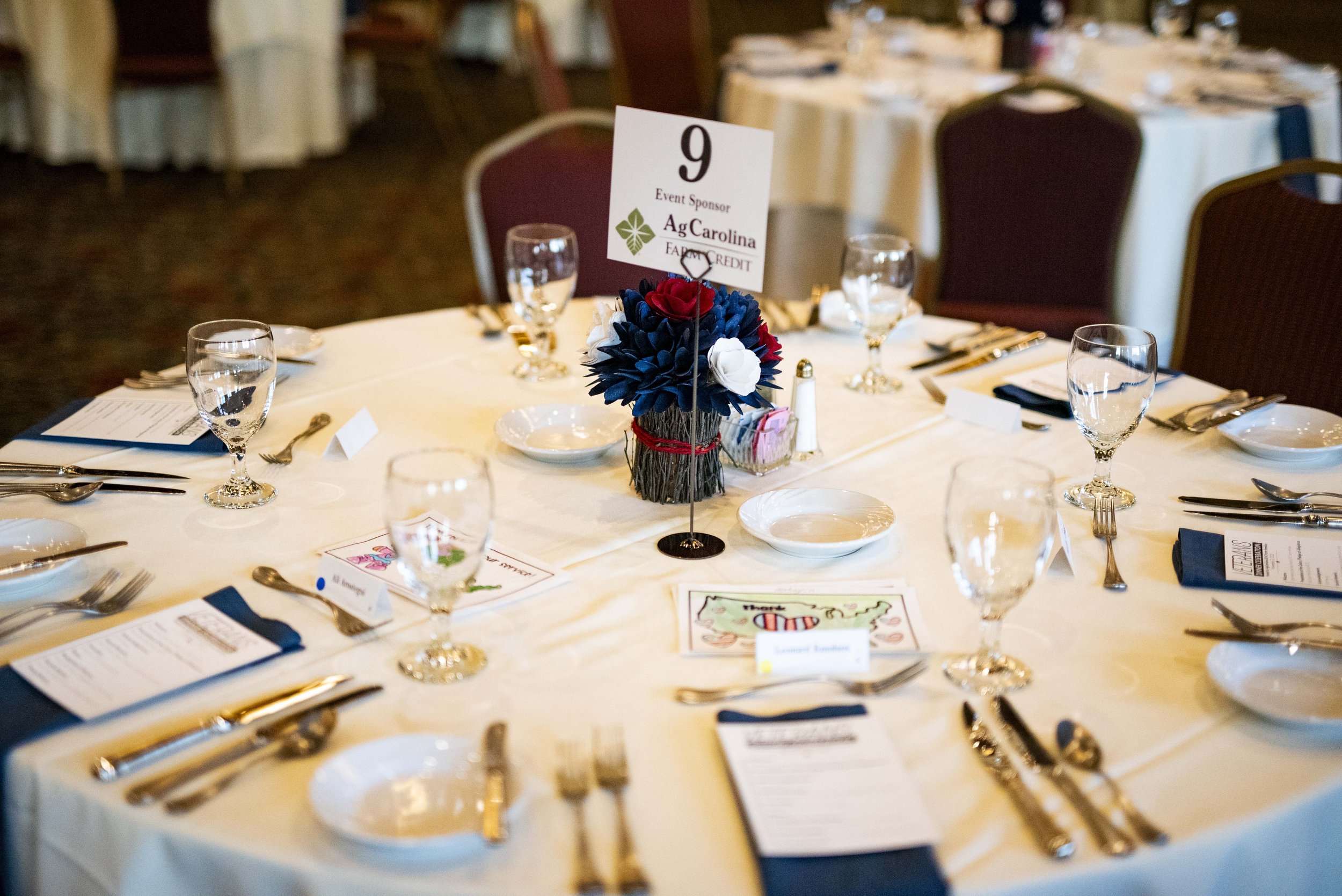
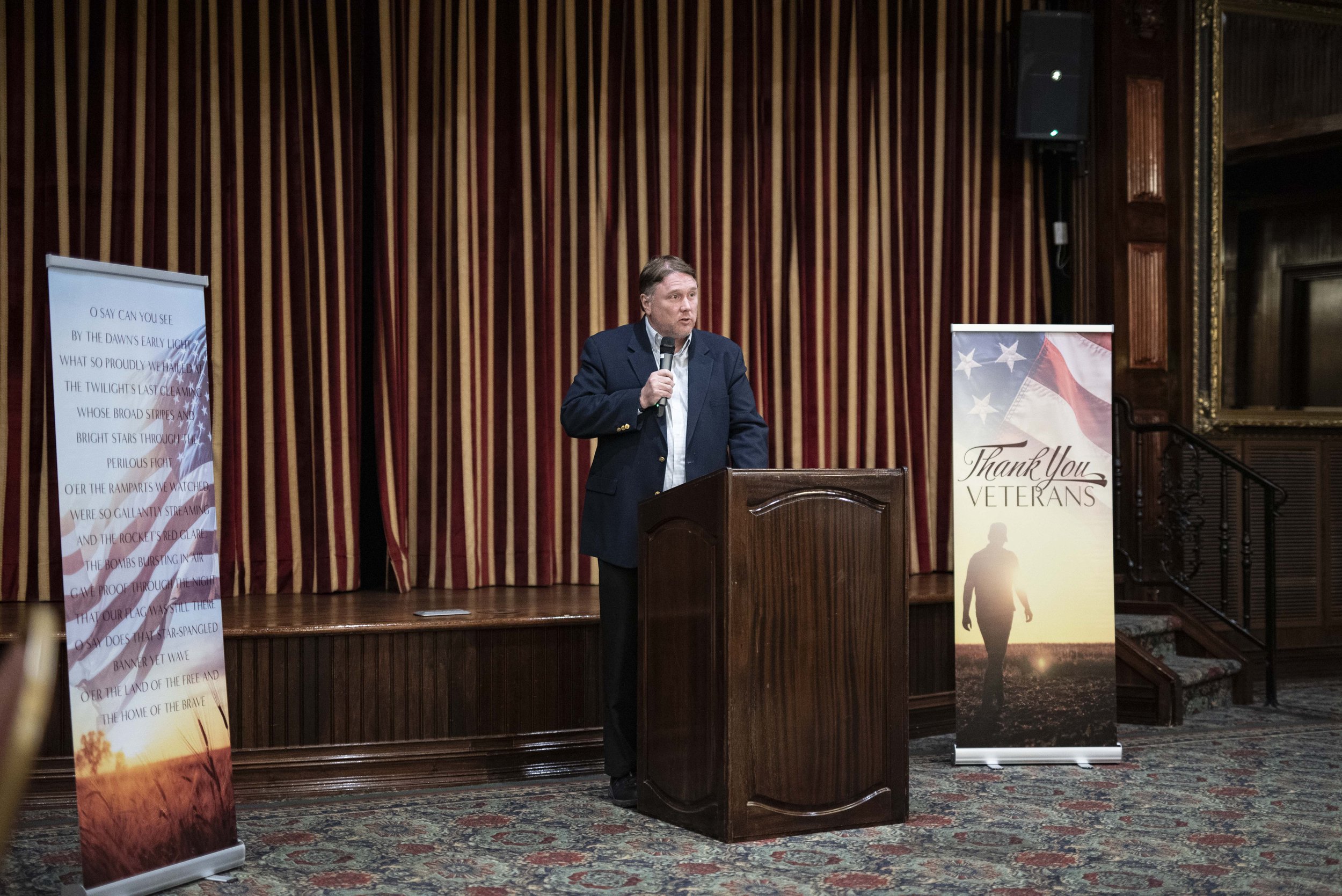
On November 2, NC Farm Families and AgCarolina Farm Credit co-hosted a special dinner for veterans in the community. The evening was held at the Mad Boar in Wallace where veterans and guests were treated to a plated dinner. Over 30 veterans attended, representing every branch of military.
We were pleased to have East Duplin High School JROTC members present colors and begin the event with the pledge of allegiance.
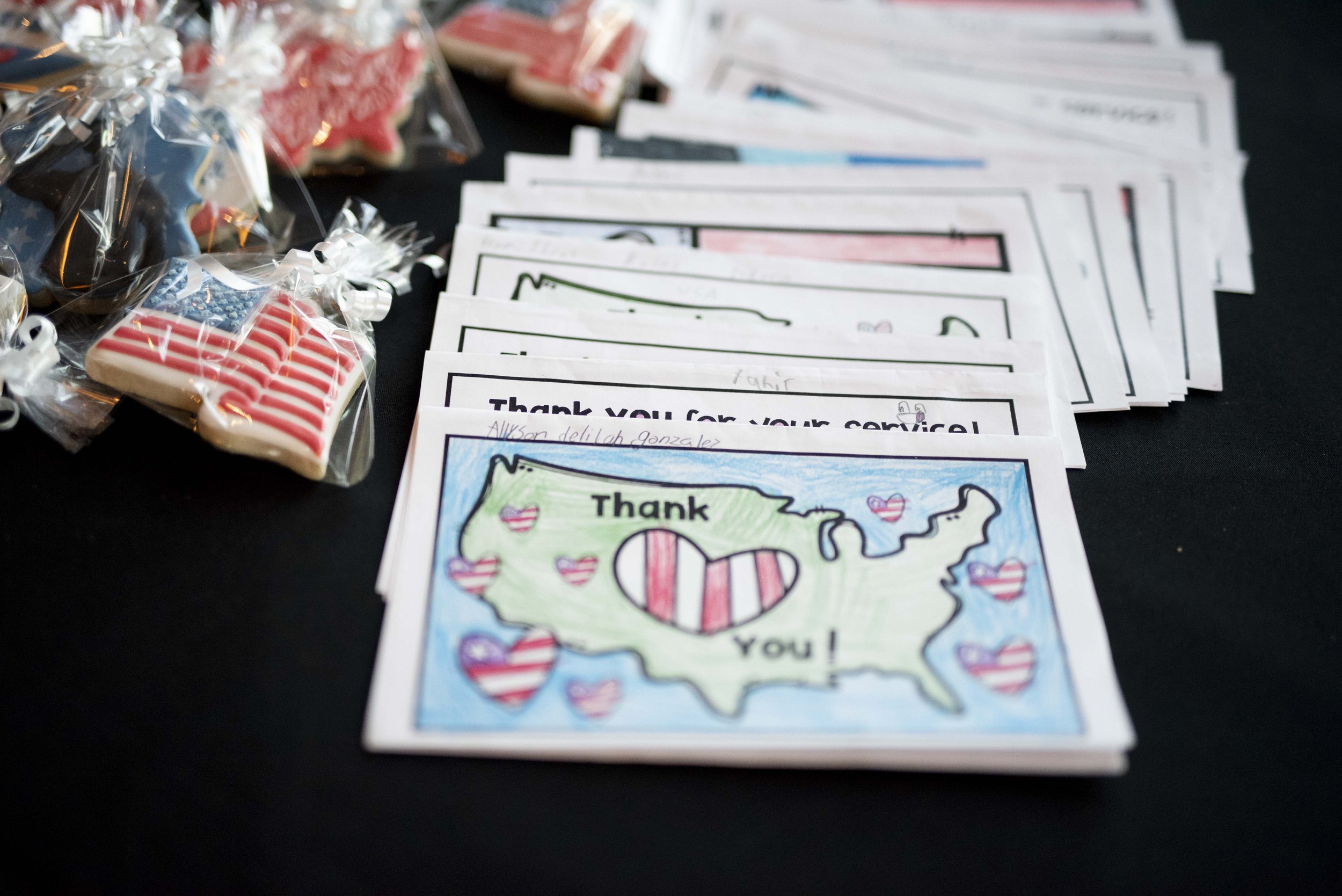
Students from B.F. Grady Elementary School in Duplin County sent handmade cards for veterans in attendance. These cards were touching and meant a lot to attendees.
Andy Curliss, National Director for Strategic Initiaves for SAS brought the keynote speech where he shared stories of veterans in his heritage and life.
In addition to veterans, special guests included: Representative Edward Goodwin and Representative Jimmy Dixon.
This event would not have been possible without our sponsors. AgCarolina Farm Credit was our event sponsor. AgCarolina provides credit to farmers and mortgages for rural homeowners in 46 counties across central, eastern, and southeastern North Carolina. We were very grateful to have Tri-County EMC, Hog Slat, and Smithfield Foods as table sponsors. We also want to thank NC Pork Council, Murphy Family Ventures, Prestage Farms, Align RNG, and Maxwell Foods for their support.




Agriculture is the number one industry in North Carolina. We have more than 45,000 farms across the state, and the vast majority of those are run by farm families. Just as North Carolina is major player in the world of agriculture, our state is also a leader when it comes to the military. We have eight military bases here, and more than 122,000 active duty and reserve members of the military living in North Carolina. That puts us at #4 in the nation.
We were proud to be able to honor and serve our veterans in the community. Thank you to everyone who came and had a hand in making it happen.
And thank you veterans for your sacrifices. Words are never enough.