Farmkeepers Blog
The Farmkeepers is the official blog of NC Farm Families. It is here that words will flow, our voice will be heard, a stand will be made, and the farm families of North Carolina will be protected. In these posts, we'll set the record straight. You'll see the faces of the families who feed us. Here, you'll receive all the updates and news. It is here that we will fight for farmers and be the keepers of the farm in NC. We hope you'll join us. Follow along on social media and by joining our email list.
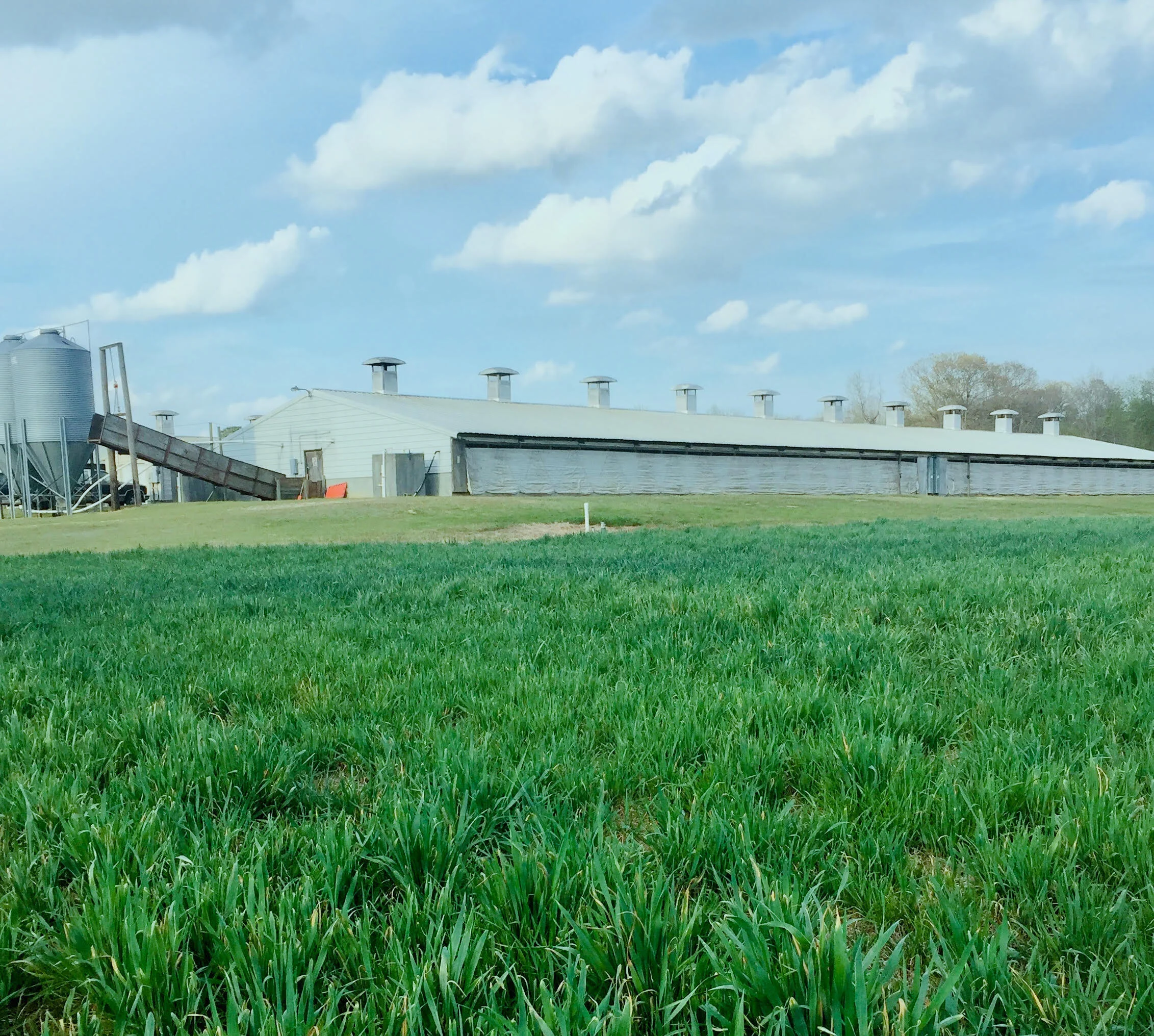
Activists Oppose Innovations that Improve NC Hog Farm Environmental Sustainability
If you’ve ever wondered about the true motivation of the activists who relentlessly attack our family farmers, here is a clear indication: their puzzling opposition to generating clean, renewable energy from North Carolina hog farms.
Smithfield Foods and Dominion Energy have pledged to invest $500 million to capture methane from hog farms and convert it into renewable natural gas through a partnership known as Align Renewable Natural Gas. The project’s initial efforts involve hundreds of farms in three states — many of them located in Duplin and Sampson counties.
It’s a solution that will significantly reduce greenhouse gas emissions, create clean renewable energy, and further reduce threats from flooding by using covered lagoons and digesters to capture methane gas.
Image from Align RNG
Yet, the Waterkeepers and others refuse to support the project. Check that — it’s not simply that they don’t support the project, they are actively trying to kill it.
And that shows their true intentions.
These groups won’t support any innovations that help our farmers and make our industry more sustainable — no matter how much they will help the environment. They simply want to put hog farmers out of business.
What other logical reason is there for opposing a project that will establish eastern North Carolina as a leader in renewable energy, creating new jobs and attracting new investment in our rural communities?
In a recent blog post from the Waterkeeper Alliance, Pamlico Tar Riverkeeper Jill Howell argues in vain that capturing biogas won’t help our environment.
Huh?
It’s clear that the very notion of saying something — anything! — even halfway positive about the innovative steps being taken by our industry to help the environment is simply impossible for these activists. That’s all you need to know.
If you would like to show your support for the Align Energy project, you can submit comments on their proposed air quality permit to DAQ.publiccomments@ncdenr.gov. Use subject line: Align Energy. The deadline for comments is Friday, November 20.
Princesses and Pig Farms
On a pig farm in Jacksonville, NC, there live two little girls named Kyleigh and Aliza. While no crowns may top their heads, they are most certainly the princesses of the farm, blowing kisses to Nibbles, Elsa, and all the other pigs, riding in their chariot (the tractor), picking flowers, and helping make sure everything is as it should be.
A little over a year ago, Kyleigh and Aliza’s parents, Sarah and Seth Turner bought a hog farm after wishing and hoping to buy one for over a decade. The wean to finish farm was dubbed K&A Turner Farm after Kyleigh and Aliza. The farm was a dream come true for the whole family.
Both Seth and Sarah had grown up in agriculture. Sarah’s parents owned a hog farm, and Seth’s uncle was a farmer. Seth has worked with chickens, hogs, and row crops.
“I always knew I wanted to do something in agriculture. I’ve always enjoyed it,” said Seth who is now a serviceman for Smithfield.
Seth and Sarah didn’t just want to buy a farm for themselves; they wanted their girls to have the farm experience they did. They wanted them to be able to take care of something and learn what it is to help feed the world.
“I was about Kyleigh’s age when my dad built his hog houses,” Sarah said, “I used to help out, and as a teenager I said I’d never work on a farm again. Now we own a farm.”
While Sarah said she’d never work on a farm again, she loves it and can often be found with the girls, snuggling the little pigs. She’s even had one fall asleep on her shoulder! Sarah and Seth realize that the girls may not always have the same affinity for the farm that they currently do but hope that they’ll learn responsibility and look fondly on it all in the future.
“They may grow to dislike working out here and mowing when they are teenagers, but they’ll learn to appreciate it as did I,” said Sarah, as Kyleigh interjects, “I’ll never get tired of it!”
And, if you ask the girls what they want to be when they grow up, they want to do just what their parents do—be pig farmers. They also want to be a hairstylist like their mom and maybe a dance teacher.
At 9 and (almost) 4, Kyleigh and Aliza have many years before they need to narrow down their career choice. For now, they enjoy being pig farmers, dancing, softball, spending time with family, and popscicles at the farm (blue ones give Frozen powers). Their absolute very favorite things to do are be with the pigs, dancing, and go to Disney World (Aliza said this one). They also enjoy taking care of their miniature donkeys, goats, chickens and helping their grandpa with his cows. As a family, the Turners are active members of Bethlehem Free Will Baptist Church, enjoy going to the beach, and going to Bush Gardens.
Dance Recital
While the purchase of the hog farm is a lot of work and overhead, it has enriched the Turner family’s life. Together they care for the pigs and farm. Seth and Sarah’s dream to own a hog farm came true, and now they are able to watch their daughters enjoy the whole experience. While the affinity for Elsa from Frozen may fade, Kyleigh and Aliza will probably always remain the princesses of K&A Turner Farm.
Photos: M. See Creative
Misleading. Mistaken. One-Sided-- Just a Typical Hog Farm Article , so Here's the Other Side
The latest misleading, mistake-filled attack on North Carolina’s family farmers comes from Vox, an online news outlet with a mission to “explain the news.”
After listening to a 30-minute podcast that takes aim at how we raise our pigs, it seems like we’re the ones who need to explain a few things to Vox.
The podcast, eloquently titled “pig poop lagoon,” features the same cast of activists, making the same tired arguments about our farms. This piece takes particular issue with the lagoon and sprayfield system and features plenty of complaints about odor.
As farmers, we’re the first to admit that farms have an occasional smell. But some people claim the odor is always present, or that it is so overpowering that it’s nearly impossible to leave home.
We know what it’s really like to live next to a hog farm.
But don’t take our word for it. Look at the results of an air quality study conducted in Duplin County this year by the NC Division of Air Quality. They collected 15 months of data and found that there was no significant air quality issues.
You can also read how people with no agenda describe the smell on our farms.
When a reporter visited a Bladen County farm in 2017, here’s what he said: “Upon stepping out of a vehicle, the first thing one might notice is the absence of something — an aroma. There was no odor. Of any kind. None.” Other reporters have described odor as “almost negligible” or as “a light barnyard smell.”
To make its case, the Vox podcast dredges up an old study on odor that was conducted by a UNC professor who described himself as a “committed activist.” It spends two full minutes talking about the study but fails to give listeners the most important piece of data — the participants reported no odor or very faint odor more than 80 percent of the time and strong or very strong odors only two percent of the time.
This is what the data collected by our harshest critics found. (Click here to read more about the flaws with that study.)
Vox is a Latin word meaning “voice,” but this podcast represents only one voice. That of the activists who want to put an end to animal agriculture.
Over the course of the 30-minute podcast, Vox devotes a grand total of 22 seconds to the viewpoint of our farmers and our industry. No surprise that they failed to adequately capture our perspective.
One example: Vox notes that the pork industry took issue with a study about the demographics of who lives near North Carolina hog farms, but fails to tell listeners the truth of the matter: Census data shows that 68 percent of hog farms in North Carolina are in areas where African-American residents make up 30 percent or fewer of the population, and only 13.5 percent of hog farms are located in communities where a majority of residents are African-American.
The podcast also tries to raise health concerns about living near hog farms. But you don’t hear from any medical experts, and certainly no one like Dr. Keith Ramsey, the medical director of infectious disease control at Pitt County Memorial Hospital and former chairman of the Pitt County Board of Health.
Dr. Ramsey has conducted studies involving residents across eastern North Carolina and specifically looked at any association between health outcomes and our farms. His conclusion: “I have observed no indication that living near a hog farm causes any increased risk of infection by antibiotic-resistant or any other bacteria... The real health threats needing attention in eastern North Carolina are diet and lifestyle... not hog farms.”
We could go on and on, but we need to get back to the farm. We have pigs to raise and millions of families to feed. And we’ll continue to do it in a caring and responsible way.