Recently, Inside Climate News released an article titled “How North Carolina Wasted the Chance to Fix Hog Pollution.”
Once again, the focus was on past problems with hog farming while overlooking the local farmers, continued improvements, and realities of producing food. Environmental issues deserve to be reported, but farmers deserve balanced coverage that tells the full story—not just one side of it.
These news outlets seem to always view North Carolina’s hog industry as an environmental problem, but never see us as an agricultural industry made up of farmers who are continually working to improve their practices.
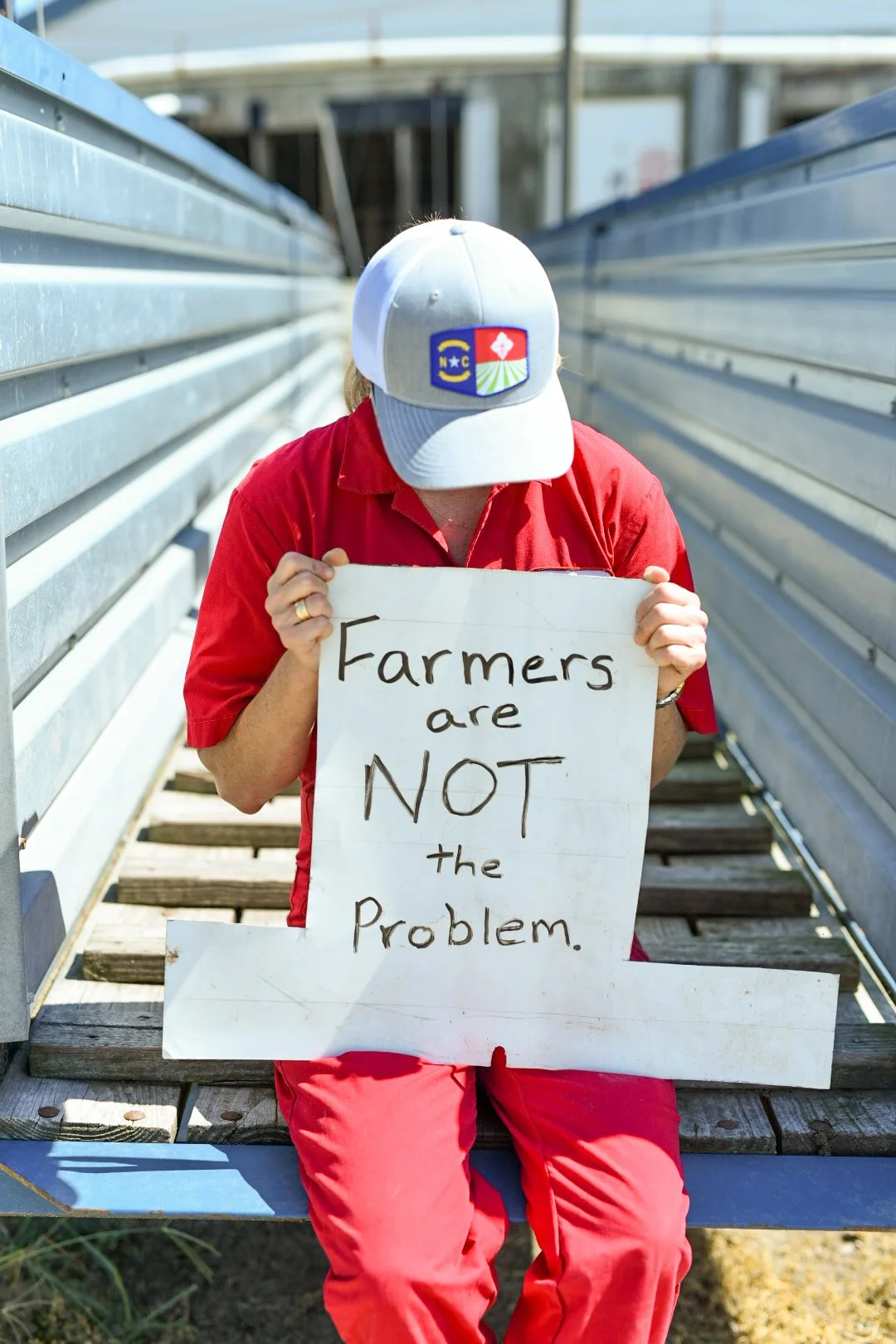
I read Lisa Sorg’s piece on North Carolina hog farming, and as a hog farmer, I have to say: there are parts of this story that are true. There have been lagoon failures. There have been environmental problems and there are lessons our industry learned the hard way.
But that is not the whole story.
What bothers me most isn't that the article talks about the problems. It's that it tells the story as though agriculture stopped learning and farmers stopped improving 30 years ago.
It didn't.
The hog industry today is not the hog industry of 1995.
North Carolina placed a moratorium on new and expanded swine farms using the traditional lagoon system in 1997 and made that prohibition permanent for new and expanded operations in 2007. Existing farms operate under permits, waste-management plans, inspections, monitoring requirements and rules governing how nutrients are applied to the land.
Are those systems always perfect? No.
Does that mean farmers don't care about the environment? Absolutely not.
That's where I think the story misses the farmer.
There is a farmer standing behind every one of those barns.
A farmer who has invested his or her money into that farm. A farmer who lives in the community. A farmer whose land depends on good soil and clean water. A farmer who has to manage manure, nutrients, weather, crops, equipment, labor, regulations and a market that can change overnight. Farmers don't have the luxury of treating sustainability like a talking point. We have to make it work in the real world, on real farms, with real weather, real costs and real markets.
We aren't choosing between “pollution” and “sustainability.”
We're trying to produce food while continuously finding better ways to use fewer resources, protect the land and water, improve efficiency and leave the farm in better shape for the next generation.
And yes, I believe we should continue looking at better technology.
If there is a system that dramatically reduces environmental impacts, is technically workable, can be maintained on a working farm and is economically sustainable, farmers should be willing to look at it.
But there is an enormous difference between saying a technology worked in a demonstration and saying it can economically replace the manure-management systems on thousands of working farms.
That's the part of the conversation I wish this article had explored more.
The environmental story deserves to be told.
So does the farmer's story.
We can acknowledge the mistakes of the past without pretending farmers haven't spent decades working to improve what comes next.
Sustainability isn't a slogan to a farmer--It's the farm we're trying to hand to our children.
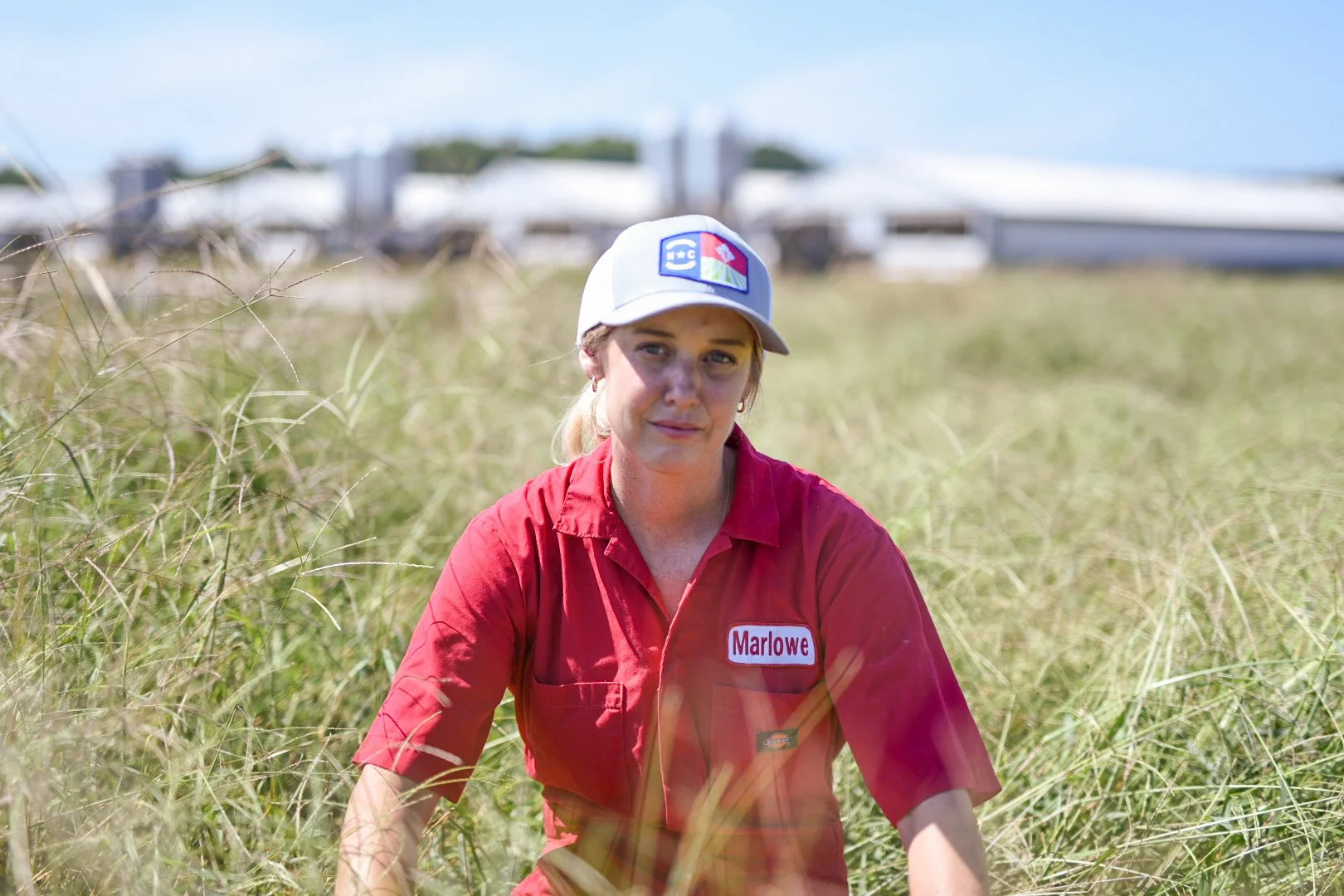
-Marlowe Ivey, NC Pig Farmer